
How to get rid of a smell in the fridge for good
How to get rid of a smell in the fridge: find the source, wash the shelves with mild soap, then use baking soda. A fix ladder from free to replace.
Malik Zerrouki5 min read
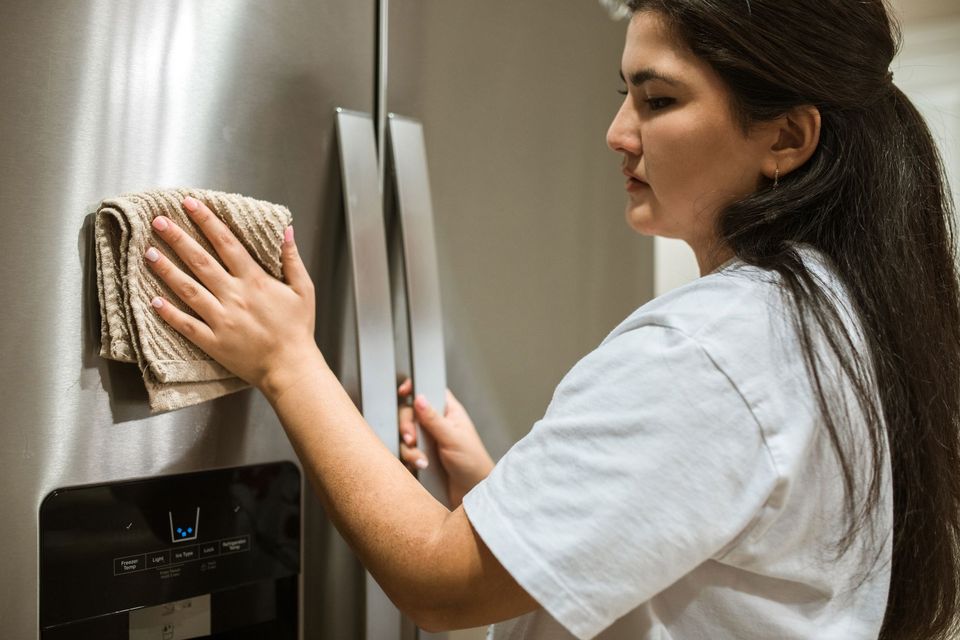
30 minutes. Costs a few cents.
Try this first (costs nothing): take everything out and sniff each item. Most fridge smells come from one thing, such as a forgotten pot, cut onion or a leaking packet of meat. Throw out whatever smells wrong. The fridge often smells much better before you wash anything.
Step 1: Find the source
Check the shelves, door pockets and the back of the bottom shelf. Leaks run down and pool in the salad drawer. Look at dates on sauces and leftovers. When in doubt, throw it out.
Ruling: if the smell is gone once the item is out, wipe the spot and stop.
Step 2: Wash it
- Unplug the fridge if the manual says it is fine to. Otherwise keep it on and work quickly.
- Take out the shelves and drawers. Let glass come to room temperature before washing so it does not crack.
- Wash them in warm water with a little washing-up liquid.
- Wipe the inside walls with a cloth wrung out in the same mix.
- Use a toothbrush or a small brush on the door seals. Mould and old spills hide in the folds.
- Wipe with a cloth and plain water to rinse. Dry everything.
Use one product at a time. Do not mix bleach, vinegar and other cleaners. Poison centres warn that some combinations give off harmful gases. Check the manual for what the maker recommends.
Step 3: Soak up what is left
Put an open box of baking soda on a shelf. It absorbs some smells over a few weeks. Swap it for a fresh box every month or two. A bowl of dry coffee grounds or activated charcoal works in a similar way.
Do not rely on this alone. If the source is still there, the smell is back in a day.
If that does not work
Smells that stay after cleaning usually have a hidden cause.
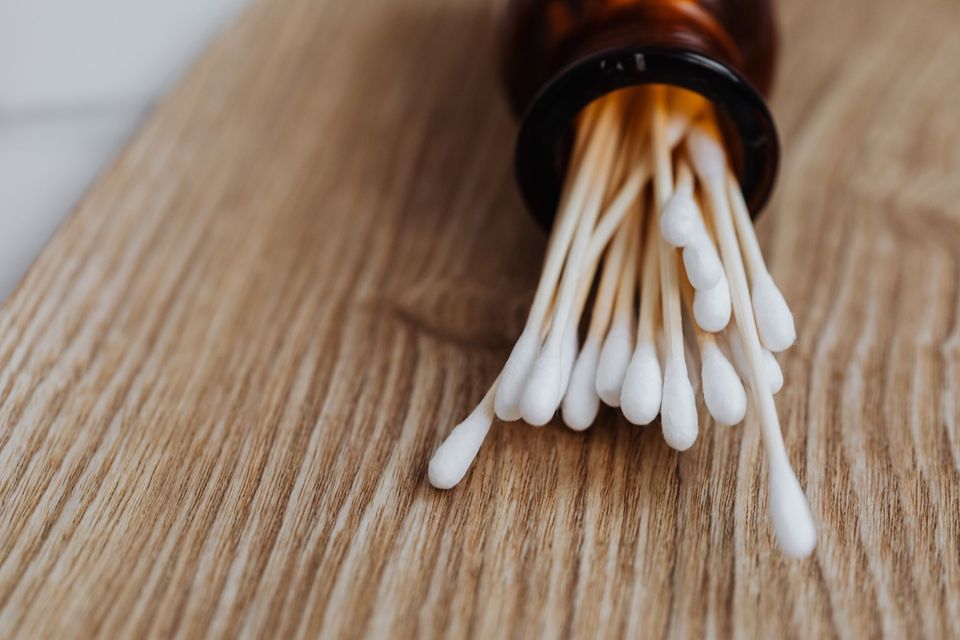
- Drain hole. Most fridges have a small drain at the back of the fridge section. It can block with food and water. Clear it with a cotton bud dipped in warm soapy water.
- Drip tray. Some models have a tray at the base. Check the manual. Wash it if you can reach it.
- Power cut or long off period. If the fridge was off with food in it, the smell may need several rounds of cleaning.
- Old seals or damp insulation. If the smell comes from inside the walls and does not clear, replace the seal or consider replacing the fridge.
Never take off panels or work on the back of the fridge yourself. Electrical parts and gas can be dangerous. Call a qualified repair person.
Stop it coming back
- Cover food. Use lids or airtight containers.
- Cool leftovers first, then refrigerate them within a couple of hours.
- Check dates weekly. A weekly look at what needs eating is enough.
- Do not overfill. Air needs to move.
- Wipe spills straight away.
- Check the temperature. Most food guidance gives a fridge target around 4 degrees Celsius or 40 degrees Fahrenheit or below. A thermometer shows whether it is.
Which smell is it
- Sour or rotten: spoilt food or a leak. Find it.
- Musty: damp seals or a blocked drain.
- Plastic or chemical: a new fridge off-gassing. Airing it for a day or two helps.
- Strong onion or fish: it is in the shelf plastic. Wash and leave a baking soda box.
A worked example
Say the fridge smells sour, and you have thrown out the obvious items. The smell is still there. Here is a sensible plan.
- Take out the bottom drawer and look at the shelf above it. Leaks run down and stay.
- Wash the shelf and drawer in warm soapy water.
- Clean the drain hole at the back with a cotton bud.
- Wipe the door seal, then dry everything.
- Put an open box of baking soda on a shelf.
- Sniff it after a day. If it is fresh, you are done. If it is still sour, repeat the drain step and check the freezer too, which can leak when it defrosts.
The point is to work from the wettest, lowest part up. Smells collect where liquids collect.
Common mistakes
- Spraying air freshener in the fridge. It sits on the food and covers the smell for a day.
- Using strong cleaners. Residue can taint food. Rinse well.
- Washing hot glass in cold water. It can crack.
- Skipping the freezer. Food that thawed and refroze can smell when it defrosts.
Fix it, replace it or live with it
- Fix it: a smell with an obvious source or a dirty drain.
- Replace it: a smell that returns after a deep clean and comes from the walls or seals.
- Live with it: a faint smell in a new fridge, which fades in days.
For other kitchen smells and scale, see how to descale a kettle. If it is the washing machine that smells, see the washing machine smell fix.
Quick questions
Does baking soda really remove fridge smells?
It absorbs some odours slowly, but it does not fix the source. Clean first, then use it to catch what is left.
Can I clean a fridge with vinegar?
Some people do, but check the manual first. Use one product at a time and rinse well.
How often should I clean the fridge?
A quick wipe of spills as they happen, and a full clean every few months, or sooner if something leaks.
Why does my new fridge smell?
New fridges can smell of plastic for a day or two. Wash the shelves and leave the door open for a while.
More to read
Keep reading

How to untangle a necklace chain without breaking it
Untangle a necklace chain with a pin, a drop of oil and patience. Lay it flat, loosen the knot, and pull gently. Steps for fine chains and when to stop.
Malik Zerrouki2 min read
The toaster that is not worth repairing
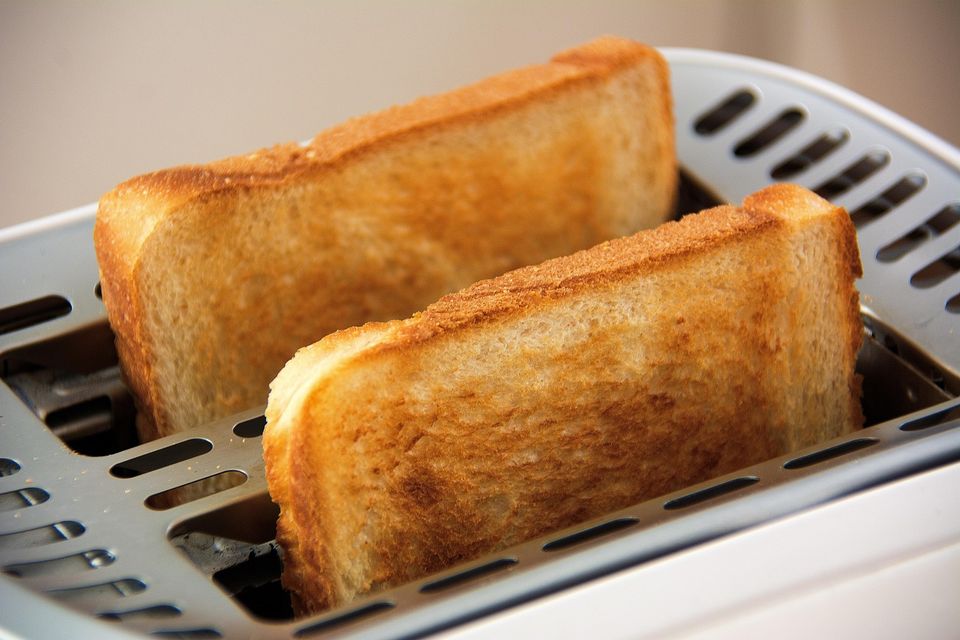
A column on when a cheap toaster that burns one side is better replaced than repaired, and how to tell the difference between a small fix and a dead appliance.
Malik Zerrouki4 min read
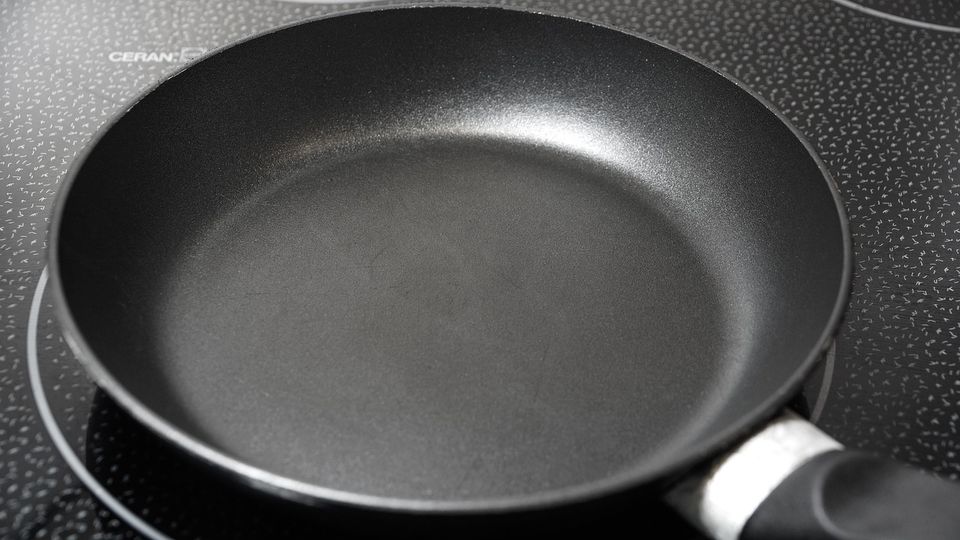
The pan you should stop scrubbing
Some fixes are not worth the effort. A scratched, sticky nonstick pan is one of them, and here is how to tell a fixable pan from one to replace.
Malik Zerrouki3 min read

The wobbly flat-pack shelf you should stop tightening
When a wobbly flat-pack shelf is worth fixing and when to let it go. A plain rule for loose screws, swollen board and how to decide in a minute.
Malik Zerrouki4 min read

Stop a door squeaking in two minutes
Stop a door squeaking in two minutes: find the noisy hinge, wipe it, add a tiny amount of lubricant and tighten a loose screw. It is nearly always the pin.
Malik Zerrouki2 min read
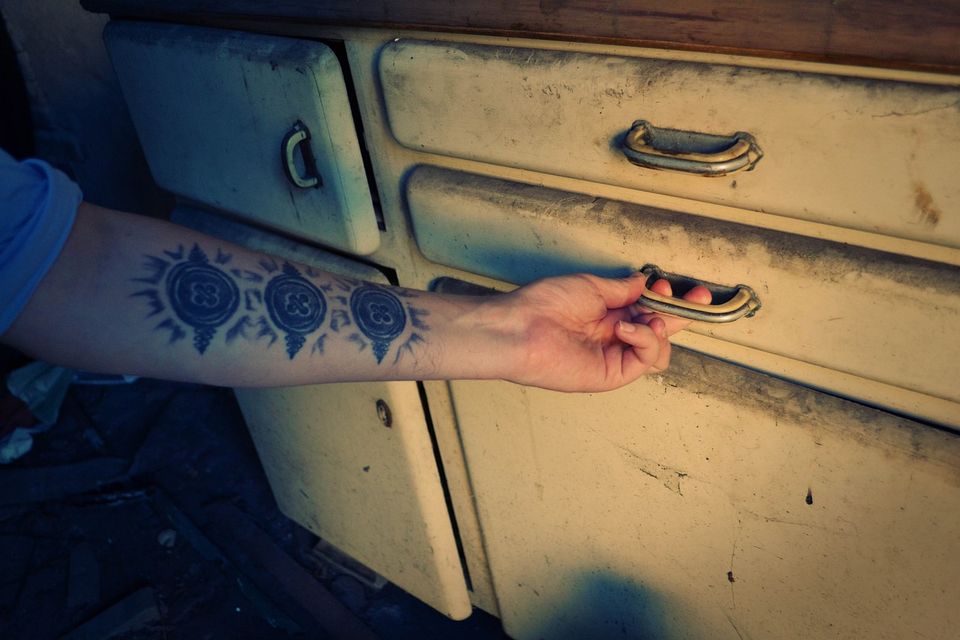
How to fix a sticking drawer that will not slide
A sticking drawer usually needs the runners cleaned and a dry lubricant, or a swollen edge rubbed with wax. How to find the cause and when to replace it.
Malik Zerrouki2 min read