
How to fix a sticking drawer that will not slide
A sticking drawer usually needs the runners cleaned and a dry lubricant, or a swollen edge rubbed with wax. How to find the cause and when to replace it.
Malik Zerrouki2 min read
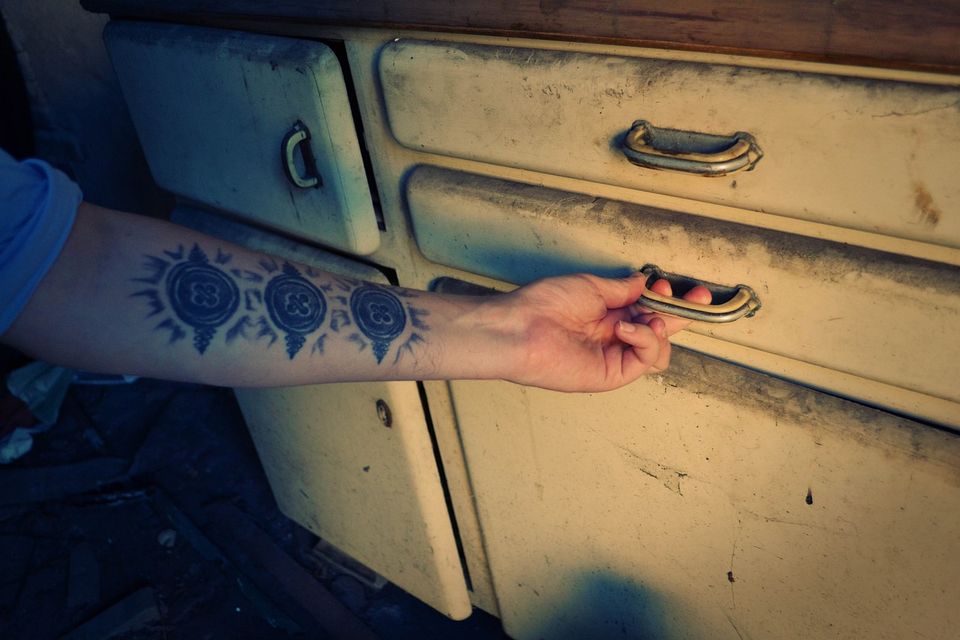
10 minutes. Costs next to nothing.
Try this first (costs nothing): empty the drawer and pull it fully out. Look at the sides and the runners (the rails it slides on). Dust, crumbs and rough patches show where it catches. Wipe both with a dry cloth.
Fix the common causes
- Rough or swollen wood. Look for shiny marks on the sides. Rub them with the end of a candle or a bar of soap, then push the drawer in and out a few times.
- Dirty runners. Wipe them. For plastic or metal runners, a dry silicone spray works well. Do not use thick grease, which collects dust.
- Loose screws. Tighten any screws on the runners and handles.
- Overfilled drawer. Take the top items out. Heavy loads make the runners bend.
- Humid weather. Wood swells in damp air. Open the window or run a dehumidifier. It often goes back when the air dries.
If that does not work
- Sand lightly. If a spot rubs, sand it very lightly with fine sandpaper, then wax it. Take off a little at a time.
- Check the back. A drawer can tilt if the back has slid off the runner. Lift it slightly and set it back in place.
- Look for a warped base. A bowed bottom panel can catch on the cabinet. Pushing the drawer in upside down can show where.
A bent metal runner can sometimes be bent straight, but a replacement pair is more reliable. Take the old one to a shop to match the length.
Fix it, replace it or live with it
- Fix it: a tight drawer, a squeak or a noisy slide.
- Replace it: a runner that is bent, cracked or missing.
- Live with it: a drawer that sticks for a few damp weeks of the year.
For more small household fixes, see stop a door squeaking.
If a tall unit wobbles as well as sticks, see the wobbly flat-pack shelf.
More to read
Keep reading

How to untangle a necklace chain without breaking it
Untangle a necklace chain with a pin, a drop of oil and patience. Lay it flat, loosen the knot, and pull gently. Steps for fine chains and when to stop.
Malik Zerrouki2 min read
The toaster that is not worth repairing
A column on when a cheap toaster that burns one side is better replaced than repaired, and how to tell the difference between a small fix and a dead appliance.
Malik Zerrouki4 min read
The pan you should stop scrubbing
Some fixes are not worth the effort. A scratched, sticky nonstick pan is one of them, and here is how to tell a fixable pan from one to replace.
Malik Zerrouki3 min read

The wobbly flat-pack shelf you should stop tightening
When a wobbly flat-pack shelf is worth fixing and when to let it go. A plain rule for loose screws, swollen board and how to decide in a minute.
Malik Zerrouki4 min read

Stop a door squeaking in two minutes
Stop a door squeaking in two minutes: find the noisy hinge, wipe it, add a tiny amount of lubricant and tighten a loose screw. It is nearly always the pin.
Malik Zerrouki2 min read

Plunger vs drain snake: which clears a blocked sink
Plunger vs drain snake: a plunger clears soft, close blocks and a snake pulls out hair and grease deeper in the pipe. A table and a simple order to try them.
Chloé Petit4 min read