
Washing machine smell: how to fix it and keep it away
Fix a washing machine smell by cleaning the door seal and detergent drawer, running a hot empty wash and leaving the door open. Steps from free to replace.
Malik Zerrouki6 min read
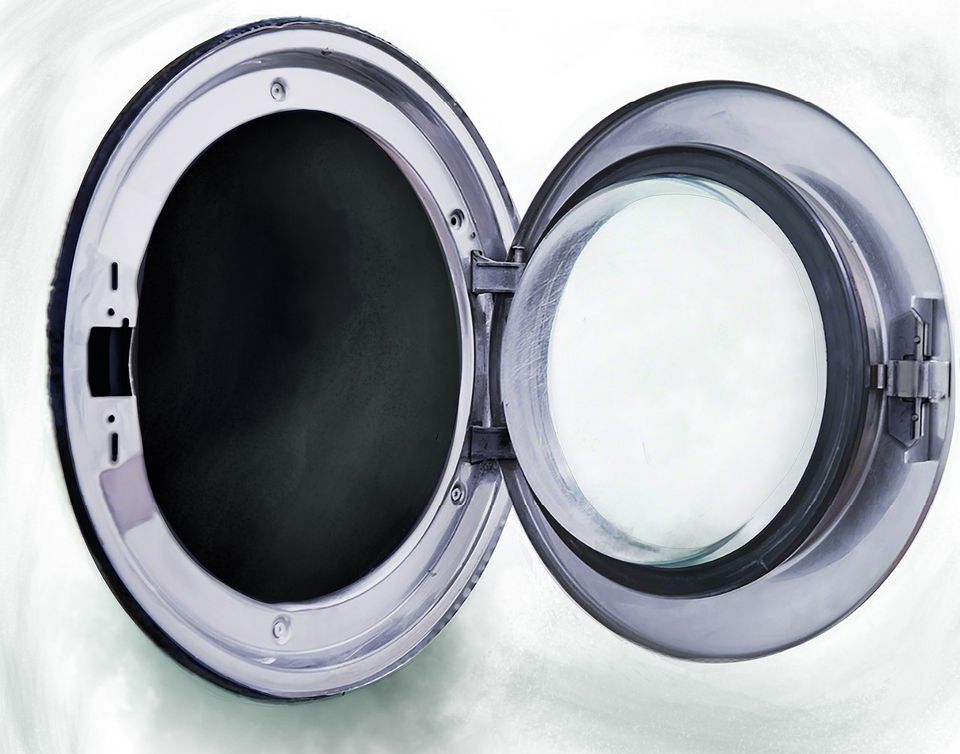
20 minutes of work, plus one empty wash. Costs a few cents.
Try this first (costs nothing extra): pull back the rubber door seal and look in the folds. If you see black grime or standing water, wipe it out with a cloth and warm soapy water. Then leave the door and the detergent drawer open to dry.
Why it smells
A washing machine is warm, wet and dark. Detergent residue and body oils settle in the seal, the drawer and the filter. Bacteria and mould grow on that. Washing at low temperatures and using too much detergent make it worse.
The smell is generally harmless, but it can get on to clothes.
Step 1: Clean the parts you can reach
- Unplug the machine before you clean anything inside it.
- Door seal. Pull it back and wipe all the way round with a cloth and warm water with a little washing-up liquid. Use an old toothbrush for the folds. Dry it with a clean cloth.
- Detergent drawer. Pull it out. Most slide or click out. Wash it in warm soapy water and scrub the slot behind it.
- Glass door. Wipe both sides.
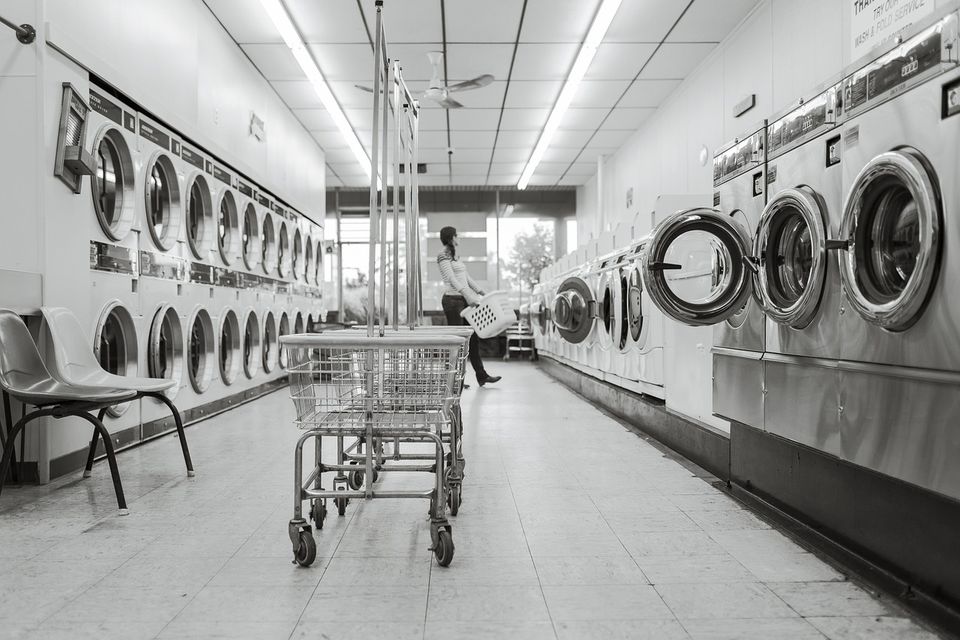
Ruling: if the smell is mostly at the door, this alone may fix it.
Step 2: Check the filter
Most machines have a small filter behind a flap at the bottom front. It catches coins, hair and fluff. A blocked filter holds smelly water.
- Switch off and unplug the machine.
- Put a shallow tray and towels down. Water will come out.
- Unscrew the cap slowly. Let the water drain.
- Remove anything caught, and rinse the filter.
- Put it back and tighten it fully.
Check your manual first. Some machines differ. If you do not feel confident, skip this step and ask a repair person.
Step 3: Run an empty hot wash
Use one product at a time. Never mix bleach, vinegar and washing machine cleaner. Poison centres warn that some cleaning products release harmful gases when mixed. Read the label of the product you choose, and check your manual for what the maker allows.
Pick one:
- Washing machine cleaner tablet or liquid. Follow the pack. Run the hot cycle it says.
- Citric acid. Put about a cup of food-grade citric acid powder in the drum, or the amount on the pack, and run the hottest empty cycle. Check the manual first.
- Just hot water and nothing else. A 60 degree empty wash, if your machine has one, can help if the smell is light.
After the cycle, run a short rinse. Wipe the seal and drawer again.
If that does not work
- Smell from the drain hose. Water that cannot drain well gives a sour smell. A plumber or repair person can check the hose and trap.
- Smell only on clothes. Use less detergent. Too much leaves residue. Try washing a load of towels hot with a half dose.
- Blocked drain. If the machine drains slowly or leaves water in the drum, call a repair person.
Never open the machine panels or touch electrical parts. Call a qualified repair person for those.
Keep it away
- Leave the door and drawer open after each wash.
- Wipe the seal dry once a week.
- Run a hot wash once a month.
- Use the amount of detergent on the pack, not more.
- Take clothes out soon after the cycle ends.
- Do not leave a wet load in the drum.
A worked example
Say clothes come out smelling stale, and the drum looks clean. Here is a sensible plan.
- Wipe the seal and the drawer, even if they look fine. Grime hides in the folds.
- Check the filter for hair and coins.
- Run one empty hot wash with a machine cleaner or citric acid. Use one product only.
- Leave the door and drawer open for a day.
- Next wash, use the amount of detergent on the pack and check that the clothes smell fresh.
If the smell is back within a month, the cause is likely in the drain, or you wash too cold and use too much detergent. Try a hot wash once a month and measure detergent.
Mistakes that make it worse
- Using too much detergent or fabric softener. They leave a film for bacteria to feed on.
- Always washing cold. Cool washes do not dissolve residue. Wash at the label's hottest setting now and then.
- Closing the door on a wet drum. It stays damp.
- Leaving wet clothes inside. Take them out when the cycle ends.
Fix it, replace it or live with it
- Fix it: smell from seals, drawer or filter.
- Replace it: the seal if it is torn, or black mould stays after cleaning. A replacement seal is a standard part.
- Live with it: nothing. A smelly machine makes clean clothes smell.
Clothes can end up smelling stale too. See sweat stains out of white shirts for a method that works with any wash. For the other common limescale problem, see how to descale a kettle. If you are unsure whether vinegar or citric acid is better, see vinegar vs citric acid for limescale.
Quick questions
Can I use vinegar in my washing machine?
Some makers say yes and some say no, because it can affect rubber parts over time. Check the manual, and use one product at a time.
Why does my washing machine smell like rotten eggs?
Usually trapped water and grime in the drain, seal or filter. Clean those and run a hot cycle. If it continues, a repair person should check the drain.
How often should I clean my washing machine?
A hot clean once a month, and a wipe of the seal weekly, is a typical routine.
Should I leave the door open?
Yes, between washes. It lets the drum and seal dry out.
More to read
Keep reading

Steam mop vs regular mop: which is worth buying
Steam mop vs regular mop: steam suits sealed hard floors and avoids chemicals, a regular mop is cheaper and safer for wood. A table and a floor-type rule.
Malik Zerrouki4 min read

Vinegar vs citric acid for limescale: which to use
Vinegar vs citric acid for limescale: both dissolve it. Vinegar is already in your cupboard, citric acid has no smell and rinses cleaner. Pick by job.
Malik Zerrouki4 min read

How to get red wine out of carpet: what to do right now
Red wine spilled on carpet? Blot, never rub, dab with cold water and then use a mild soap solution. Steps for fresh and dried stains, plus what not to do.
Malik Zerrouki3 min read
The cleaning shelf you can halve
A column on why most homes can clean well with a few products used one at a time, and how to cut the cupboard of sprays down without losing anything.
Chloé Petit4 min read
How to remove limescale from a shower head
Remove limescale from a shower head by soaking it in a bag of white vinegar for an hour, then brushing the nozzles clear. Steps, limits and safety tips.
Malik Zerrouki3 min read
How to descale a kettle and stop limescale coming back
Remove limescale from a kettle with one product at a time, rinse it properly and slow the buildup. A free fix first, then what to buy.
Malik Zerrouki4 min read