
The pan you should stop scrubbing
Some fixes are not worth the effort. A scratched, sticky nonstick pan is one of them, and here is how to tell a fixable pan from one to replace.
Malik Zerrouki3 min read
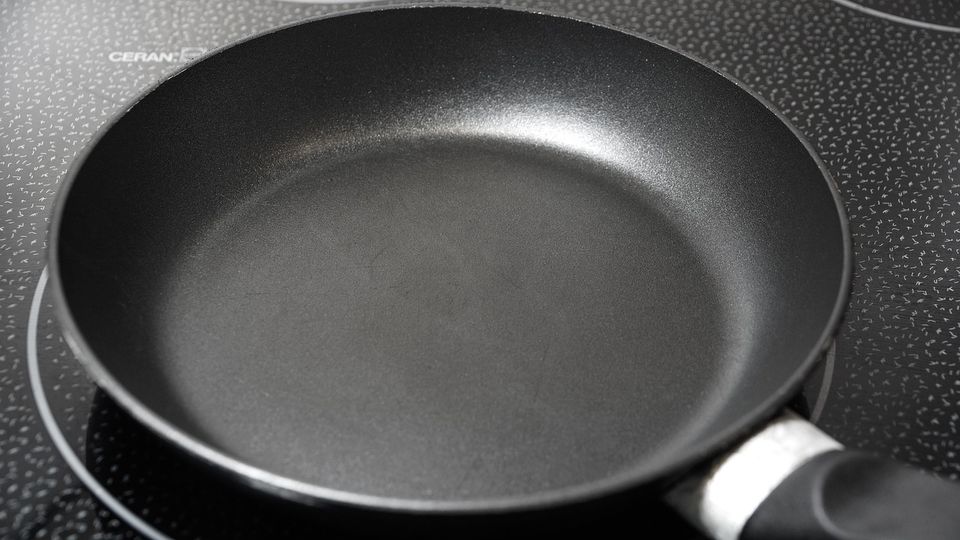
Most small fixes are worth doing. This one is not. A nonstick pan that has gone sticky and scratched does not come back with scrubbing, soaking or any paste from the internet.
The coating is a thin layer. When it wears, food sticks, and the usual reaction is to scrub harder. That removes more coating. The pan gets worse each time you try to save it.
What actually happened to the pan
Nonstick coatings wear in four common ways: metal utensils, stacking pans without a layer between them, dishwasher detergents and high heat. After that the surface is rough at a microscopic level and food grabs it. You cannot polish that back.
Some sticky film on a pan that still looks smooth is different. That is baked-on oil, and it does come off. Simmer a little water with a drop of washing-up liquid in the pan for a few minutes, let it cool, then wipe with a soft sponge. If the film goes, the coating was fine.
The one-minute decision
Look at the cooking surface in good light.
- Smooth, only sticky: clean it as above. Fix it.
- Light surface marks, food still releases: keep using it with a wooden or silicone utensil and lower heat. Live with it.
- Flaking, peeling, deep gouges or food sticking everywhere: replace it.
There is no reliable repair. Spray-on re-coating products exist, but the coating is not something you can verify at home, and you do not know what is going onto a surface that touches food. Check the maker's guidance if you are tempted.
Why the safety angle matters
Manufacturers generally say to stop using a pan whose coating is flaking badly. Your pan's care sheet is the official word on this, so read what it says about worn coatings. Overheating an empty nonstick pan is the other thing to avoid, and the care sheet that came with yours will say the temperature limits.
What to buy instead, and when
Only after you have decided to replace it.
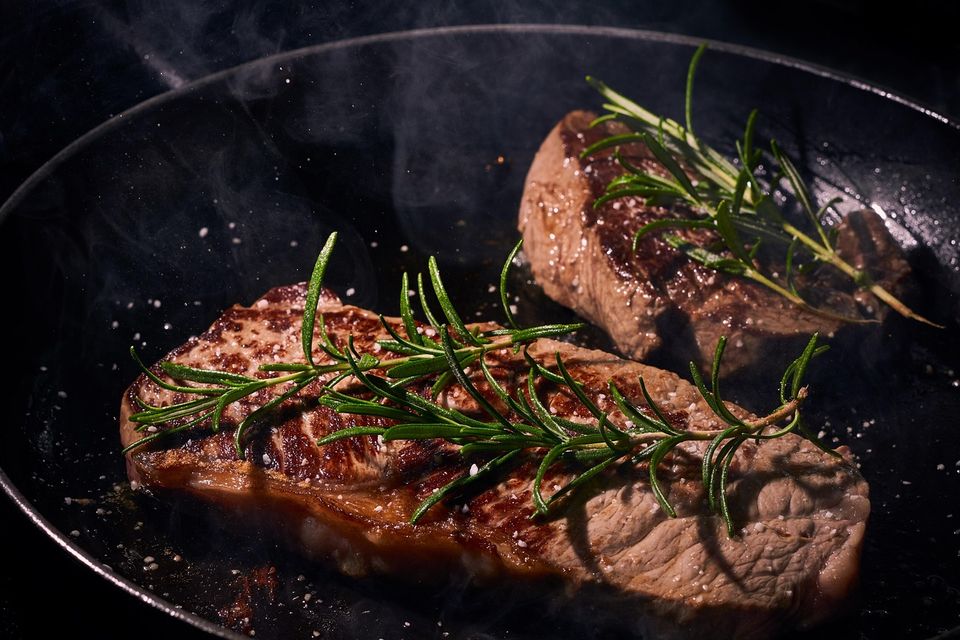
A basic nonstick pan is a consumable and typically lasts a few years with careful use. A heavier stainless or cast iron pan lasts decades but needs a different technique: preheat, add oil, and learn the heat. Neither is better for everyone. If you make eggs and fish most days, a cheap nonstick that you replace is a reasonable choice. If you sear meat and cook on high heat, skip nonstick and get cast iron or stainless.
The rule
If you have scrubbed a pan three times and it still sticks, stop. The time you spend rescuing it is worth more than a new pan. The same logic applies to a kettle with a rusted element, see how to descale a kettle for the point where a scale problem becomes a replace problem.
More to read
Keep reading
How to untangle a necklace chain without breaking it
Untangle a necklace chain with a pin, a drop of oil and patience. Lay it flat, loosen the knot, and pull gently. Steps for fine chains and when to stop.
Malik Zerrouki2 min read
The toaster that is not worth repairing
A column on when a cheap toaster that burns one side is better replaced than repaired, and how to tell the difference between a small fix and a dead appliance.
Malik Zerrouki4 min read

The wobbly flat-pack shelf you should stop tightening
When a wobbly flat-pack shelf is worth fixing and when to let it go. A plain rule for loose screws, swollen board and how to decide in a minute.
Malik Zerrouki4 min read
Stop a door squeaking in two minutes
Stop a door squeaking in two minutes: find the noisy hinge, wipe it, add a tiny amount of lubricant and tighten a loose screw. It is nearly always the pin.
Malik Zerrouki2 min read
How to fix a sticking drawer that will not slide
A sticking drawer usually needs the runners cleaned and a dry lubricant, or a swollen edge rubbed with wax. How to find the cause and when to replace it.
Malik Zerrouki2 min read
Plunger vs drain snake: which clears a blocked sink
Plunger vs drain snake: a plunger clears soft, close blocks and a snake pulls out hair and grease deeper in the pipe. A table and a simple order to try them.
Chloé Petit4 min read