
New shoes rubbing your heel: stop blisters before they start
New shoes rubbing your heel? A step-by-step fix with a free test, a heel lock lacing trick, simple padding and a clear rule for when to take them back.
Chloé Petit4 min read
10 minutes to find the cause. Costs nothing until step 5.
Try this first (costs nothing): stop wearing them for a full day. Then put them on, lace them properly and walk around the house for 10 minutes. Note exactly where it rubs. The spot tells you the fix.
Step 1: Work out why it rubs
There are only three causes.
- The heel slips up and down. The shoe is a little too big or laced loosely.
- The back edge is stiff. New leather and hard collars press on the Achilles area.
- The shoe is the wrong shape. It pinches your ankle bone or sits too low or high for your foot.
Step 2: Try the heel lock lace
If your heel slips, this fixes it more often than padding.
- Use the extra top eyelet if the shoe has one.
- Thread each lace end through the same side loop to make a small loop, then cross and pass each end through the opposite loop.
- Pull snug and tie a normal knot.
Walk again. If the lift is gone, you are done. If you only feel the heel lift on stairs or slopes, the shoe is probably a half size too big, and a thicker sock or an insole may be enough to take up the gap. Do not tape or pad over the problem on a shoe that is much too large. It will rub somewhere else.
Step 3: Soften and wear in
Stiff back edges break in with short, controlled wear.
- Wear them with thicker socks for 30 to 60 minutes at home. Repeat for a few days.
- Do not wear them for a full day out the first time. That is how a blister starts.
- Check the skin after each session. Red that fades in an hour is fine. Red that stays means stop.
Step 4: Protect the skin
This is the cheap insurance step, and it only works if you do it before the rub starts, not after.
Before any long walk, put a plaster or a blister pad over the spot. A smooth plaster over the area before the rub is cheaper than treating it after.
If a blister has already formed, leave it intact if you can, keep it clean and covered, and do not wear the shoes until it heals.
If that does not work
- Heel grips. A thin adhesive pad inside the heel takes up small gaps. A basic foam one is enough. Skip them if the shoe is already tight, because they will squeeze your foot more.
- A cobbler stretch. A shoe repair shop can stretch leather at a pinch point for a small fee. It will not fix a shoe that is the wrong size.
- Take them back. Check the return window now. Many shops accept shoes tried on a carpet.
Fix it, replace it or live with it
- Fix it: heel slip, stiff edges and mild rub. See the full fix, replace or live with it list for shoe problems.
- Replace it: the shoe is a full size off, or pinches the same spot after a week of short wear.
- Live with it: nothing. A shoe that hurts after a week is not wearing in, it is wrong.
When to see someone
Blisters that look infected (spreading redness, pus, heat), or heel pain that stays after you stop wearing the shoes, need a doctor or pharmacist. Constant sore feet may be worth reading about in sore feet after a day standing. If your shoes smell as well as rub, clean and dry them first.
More to read
Keep reading
Shoe problems: fix it, replace it or live with it
A triage table for common shoe problems, from smell and scuffs to worn soles and heel rubbing, with a fix, replace or live with it verdict for each.
Chloé Petit2 min read
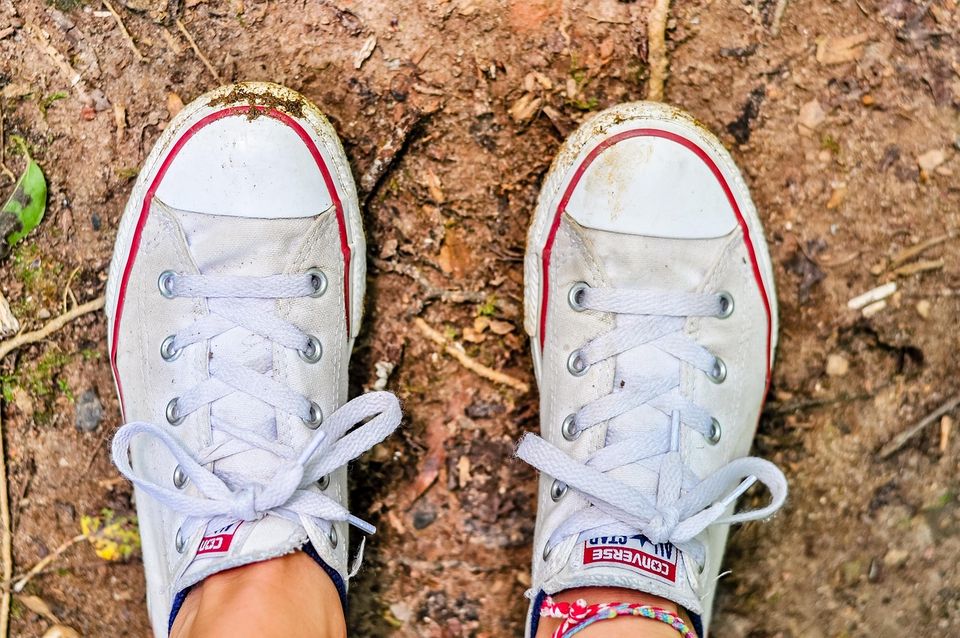
Wash trainers by hand or in the machine: which is better
Should you wash trainers by hand or in the washing machine? Hand washing is safer for most pairs. Here is when the machine is fine and how to dry them.
Chloé Petit4 min read
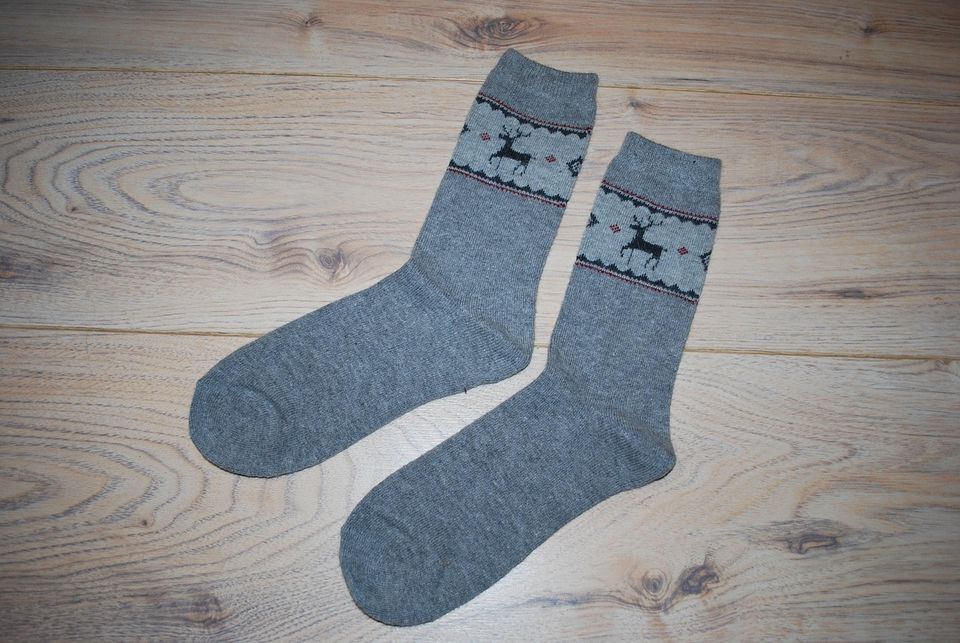
Shrunk jumper: how to stretch it back
A shrunk wool jumper can often be stretched back a size with a soak in lukewarm water and conditioner. Here is how, and when to let it go.
Chloé Petit2 min read
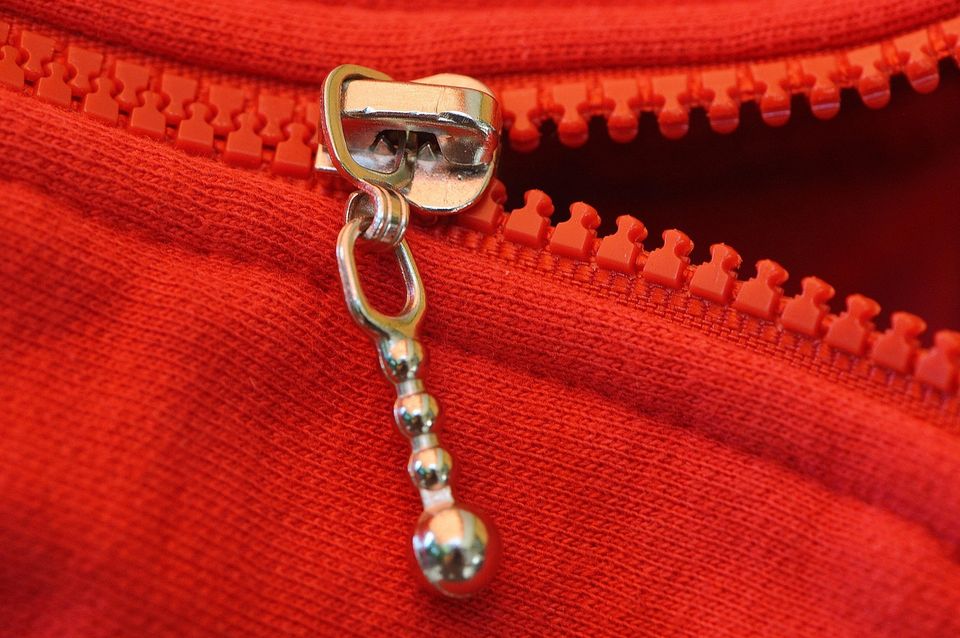
How to fix a stuck zip without breaking it
Fix a stuck zip on a jacket, bag or jeans by freeing the fabric and rubbing the teeth with graphite or wax. Steps, limits and when to replace it.
Chloé Petit3 min read
How to get sweat stains out of white shirts
Get sweat stains out of white shirts with a paste, a soak and a proper rinse. Free fixes first, then what helps with yellow underarm stains.
Chloé Petit6 min read
How to get rid of smelly shoes
How to get rid of smelly shoes with low-cost steps: dry the insoles, wash what you can, use baking soda overnight and rotate pairs so it stays gone.
Chloé Petit2 min read