
How to descale a kettle and stop limescale coming back
Remove limescale from a kettle with one product at a time, rinse it properly and slow the buildup. A free fix first, then what to buy.
Malik Zerrouki4 min read
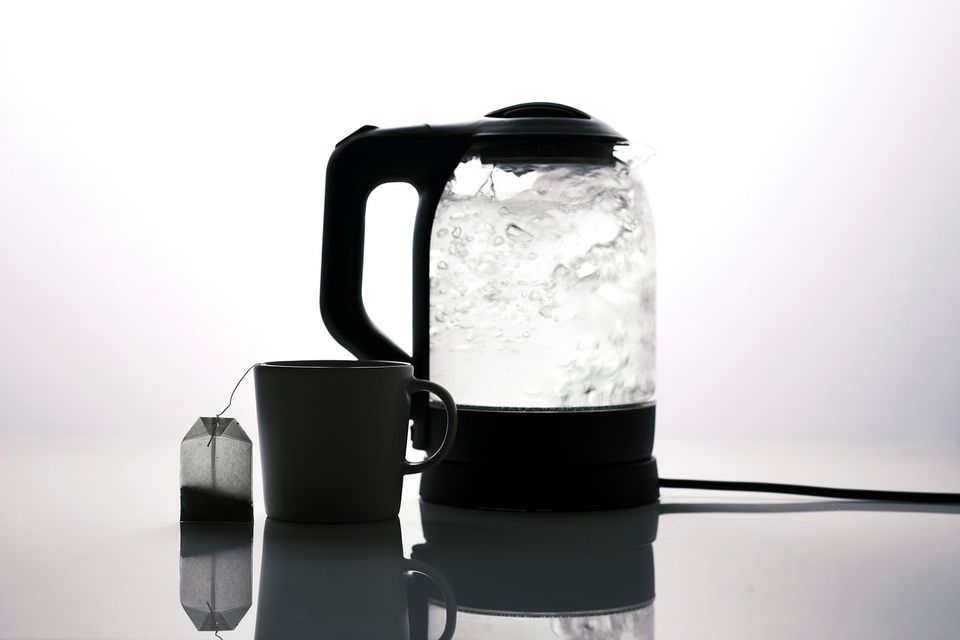
15 minutes of work, 20 minutes of waiting. Costs a few cents.
Try this first (costs nothing extra): fill the kettle halfway with half white vinegar and half water, boil it, switch it off and leave it for 20 minutes. Pour it out. Rinse. Boil fresh water and throw it away, twice. Done for most kettles.
What the white crust is
Limescale is mostly calcium carbonate left behind when hard water heats up and evaporates. It is not dirt. It is rock, in thin layers, and it dissolves in mild acid. That is why vinegar and citric acid both work.
Small flakes are generally not a health concern, but they dull the taste, coat the element and makes the kettle take longer to boil. ## Before you start
- Unplug the kettle and let it cool completely.
- Read the manual. Some makers recommend citric acid only, or warn against vinegar on certain finishes.
- Use one product at a time. Never mix descalers, vinegar and bleach in the same kettle or sink. Poison centres warn that some cleaner combinations release harmful gases. See the Missouri Poison Center note on mixing cleaners.
- Open a window. Hot vinegar smells strong.

Run the vinegar soak
- Fill the kettle to about half with equal parts white vinegar and water. Stay below the max line.
- Bring it to the boil, then switch it off.
- Leave it 20 minutes. For thick scale, leave it an hour.
- Pour it out and look. Loose flakes will have lifted.

If that does not work
Thick, old scale needs a second round or a stronger acid.
- Repeat the soak with fresh vinegar mix. Two rounds beat one long soak.
- Try citric acid. A couple of teaspoons of food-grade citric acid powder in a half-full kettle of hot water, left for 30 minutes, is a common alternative. It is odourless.
- Scrub the stubborn edge with a soft brush or a cloth. Do not use steel wool or a knife. Scratches hold scale and bacteria.
If you want a tool, a packet of citric acid or a descaling powder is the only thing worth buying. Match it to your kettle material and follow the label. Skip it if vinegar already worked.
Rinse, then rinse again
This part decides whether your next coffee tastes of vinegar.
- Rinse the inside with cold tap water.
- Fill with fresh water, boil, pour away.
- Repeat once more.
- Taste a spoonful of the third boil. If it still tastes sharp, boil once more.
Which acid to pick
Both work. Pick by what you have and what you can stand.
- White vinegar: already in the cupboard, cheap, strong smell. Needs the extra rinses.
- Citric acid powder: no smell, rinses clean, costs a little more. Better for glass and plastic kettles, and for a kitchen with no ventilation.
- Kettle descaler tablets or liquids: fine, if the label says it suits your kettle. Follow the dose on the pack and do not add anything else to it.
Never top up with a second product halfway through. If the first did not work, rinse the kettle fully before trying another.
Slow the scale down
Scale returns faster in hard water areas, and nothing stops it fully.
- Empty it after use. Standing water leaves the crust. Boil only what you need.
- Wipe the base with a cloth once a week when it is dry.
- Descale on a schedule. Monthly in hard water, every few months in soft water, or when you see white flakes.
- Use a filter jug if your water is very hard. It softens the taste and slows the crust, though it does not remove it entirely.
Fix it, replace it or live with it
- Fix it: white crust, slow boil, flakes in your tea.
- Replace it: the element is corroded or rust coloured, the base leaks or the plastic is cracked.
- Live with it: light haze on a stainless base that does not touch the water you drink. Wipe it and move on.
For the other common kitchen grime problem, see the pan you should stop scrubbing. For something on your feet instead, start with sore feet after work.
More to read
Keep reading

Steam mop vs regular mop: which is worth buying
Steam mop vs regular mop: steam suits sealed hard floors and avoids chemicals, a regular mop is cheaper and safer for wood. A table and a floor-type rule.
Malik Zerrouki4 min read
Vinegar vs citric acid for limescale: which to use
Vinegar vs citric acid for limescale: both dissolve it. Vinegar is already in your cupboard, citric acid has no smell and rinses cleaner. Pick by job.
Malik Zerrouki4 min read
How to get red wine out of carpet: what to do right now
Red wine spilled on carpet? Blot, never rub, dab with cold water and then use a mild soap solution. Steps for fresh and dried stains, plus what not to do.
Malik Zerrouki3 min read
The cleaning shelf you can halve
A column on why most homes can clean well with a few products used one at a time, and how to cut the cupboard of sprays down without losing anything.
Chloé Petit4 min read
How to remove limescale from a shower head
Remove limescale from a shower head by soaking it in a bag of white vinegar for an hour, then brushing the nozzles clear. Steps, limits and safety tips.
Malik Zerrouki3 min read
Washing machine smell: how to fix it and keep it away
Fix a washing machine smell by cleaning the door seal and detergent drawer, running a hot empty wash and leaving the door open. Steps from free to replace.
Malik Zerrouki6 min read