
Vinegar vs citric acid for limescale: which to use
Vinegar vs citric acid for limescale: both dissolve it. Vinegar is already in your cupboard, citric acid has no smell and rinses cleaner. Pick by job.
Malik Zerrouki4 min read
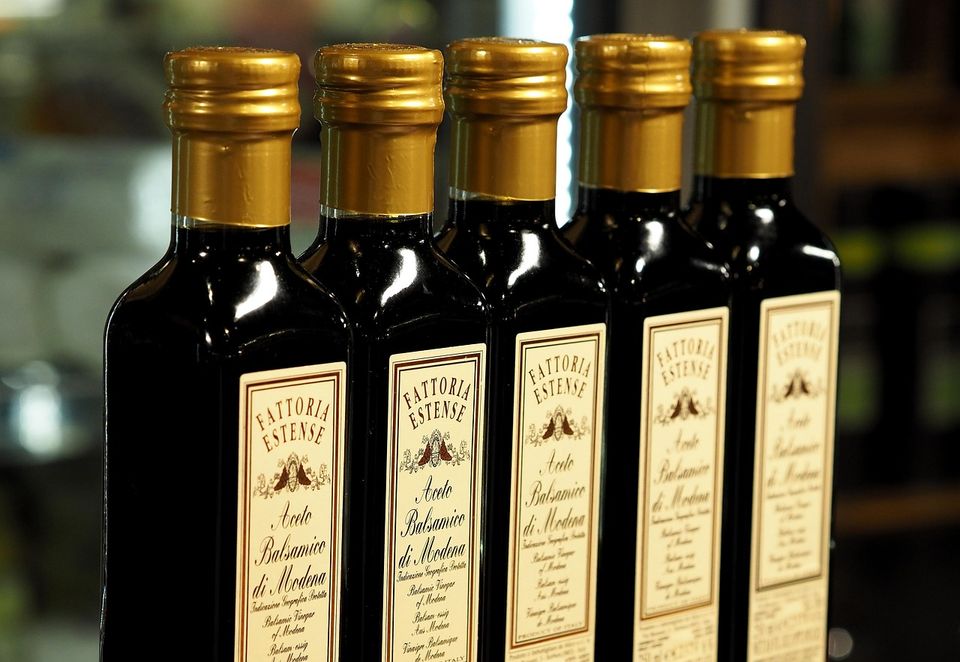
Verdict: they tie on results. Vinegar wins on cost and availability. Citric acid wins on smell, rinsing and precise dosing. Both are mild acids that dissolve the calcium in limescale. The choice is about the job and the nose.
Which wins on
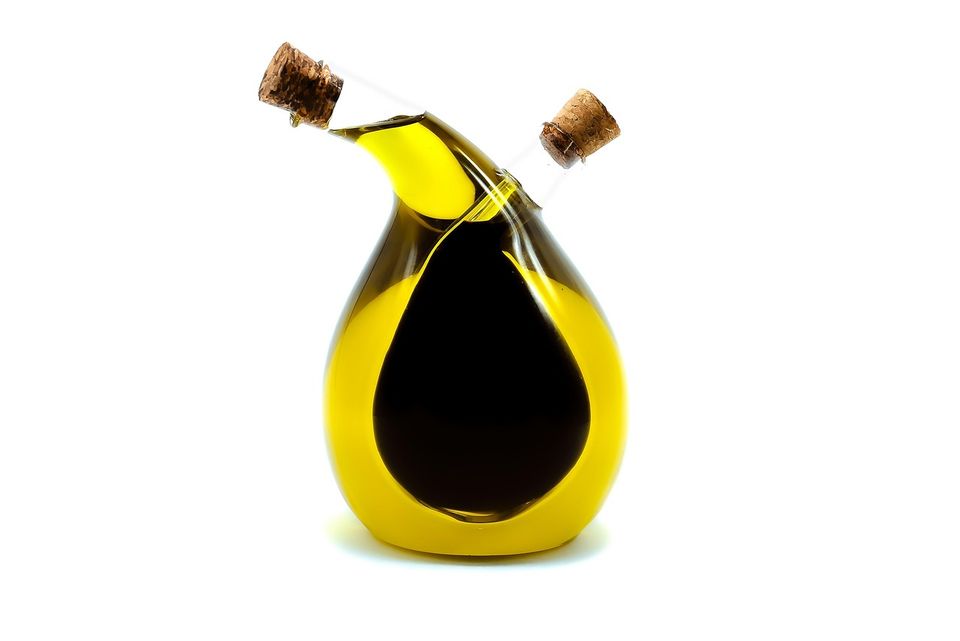
| Factor | White vinegar | Citric acid powder |
|---|---|---|
| Dissolves limescale | Yes | Yes |
| Smell | Strong, especially when hot | None |
| Rinsing | Needs extra rinses | Rinses clean |
| Cost | Very cheap | Cheap, keeps for years |
| Availability | In most kitchens | Needs a shop or order |
| Dosing | Easy by cup | Easy by spoon |
| Gentler on seals | Mixed | Often preferred by makers |
Pick vinegar if
- You have it already and the job is small.
- The surface is stainless steel, glass or ceramic.
- You can open a window.
- You want a one-off clean, not a routine.
Pick citric acid if
- You are cleaning a kettle or coffee machine and want to avoid the smell.
- The manual of the appliance says citric acid.
- You want a no-smell clean in a flat with no ventilation.
- You clean often, so a tub lasts.
The rule: check the manual first. If it names one, use that one. Acids can damage some finishes, such as natural stone, some metals and some rubber seals. Do not guess.
Cautions
Use one product at a time. Never mix vinegar with bleach, and do not mix either acid with another cleaner. Poison centres warn that some combinations produce harmful gases. Rinse well between products. Use gloves if your skin is sensitive.
Do not use either on marble, granite or other natural stone, which acid can etch.
Where to use which
- Kettle: either, see how to descale a kettle.
- Shower head: vinegar bag soak, or citric acid in a bowl. See limescale on a shower head.
- Washing machine: citric acid is often easier to rinse, but check the manual. See the washing machine smell fix.
- Glass and taps: vinegar on a cloth is fine. Dry with a clean cloth.
A worked example
Say you have a kettle with a thick crust and a shower head with a light haze.
- Kettle: citric acid. A couple of teaspoons in a half-full kettle, boiled and left for 30 minutes. It rinses clean and the next tea does not taste of vinegar.
- Shower head: vinegar, because a small bag costs nothing and the smell goes with the shower.
- Check both manuals first. If either warns against acid, use what the maker says.
The point: pick by smell, rinse and surface, not by which one is stronger.
Common mistakes
- Leaving acid on too long. Longer is not better. An hour is plenty for most jobs.
- Using it on stone. Marble and granite etch.
- Skipping the rinse. A kettle or machine needs two or three rinses.
- Mixing products. Use one at a time, always.
- Using it on hot metal parts that the maker warns about. Check the care guide.
How much to use
For a half-full kettle, about two teaspoons of citric acid powder in hot water is a common amount. For vinegar, equal parts with water is typical. Read the pack for exact amounts. Stronger is not always better.
Quick questions
Is citric acid stronger than vinegar?
At common home strengths, both can dissolve scale. Citric acid powder can be mixed to a stronger or weaker solution, so you control the dose.
Can I use lemon juice instead?
Lemon juice contains citric acid, but it is weaker and leaves a sticky residue. Powder is more reliable.
Does vinegar damage rubber seals?
Frequent or long contact may harm some rubber over time. Check the appliance manual and rinse well.
How long should I leave it?
Typically 20 minutes to an hour for most small jobs. Thick scale may need a second round, not a longer soak.
More to read
Keep reading
Steam mop vs regular mop: which is worth buying
Steam mop vs regular mop: steam suits sealed hard floors and avoids chemicals, a regular mop is cheaper and safer for wood. A table and a floor-type rule.
Malik Zerrouki4 min read
How to get red wine out of carpet: what to do right now
Red wine spilled on carpet? Blot, never rub, dab with cold water and then use a mild soap solution. Steps for fresh and dried stains, plus what not to do.
Malik Zerrouki3 min read
The cleaning shelf you can halve
A column on why most homes can clean well with a few products used one at a time, and how to cut the cupboard of sprays down without losing anything.
Chloé Petit4 min read
How to remove limescale from a shower head
Remove limescale from a shower head by soaking it in a bag of white vinegar for an hour, then brushing the nozzles clear. Steps, limits and safety tips.
Malik Zerrouki3 min read
Washing machine smell: how to fix it and keep it away
Fix a washing machine smell by cleaning the door seal and detergent drawer, running a hot empty wash and leaving the door open. Steps from free to replace.
Malik Zerrouki6 min read
How to descale a kettle and stop limescale coming back
Remove limescale from a kettle with one product at a time, rinse it properly and slow the buildup. A free fix first, then what to buy.
Malik Zerrouki4 min read