
How to get sweat stains out of white shirts
Get sweat stains out of white shirts with a paste, a soak and a proper rinse. Free fixes first, then what helps with yellow underarm stains.
Chloé Petit6 min read
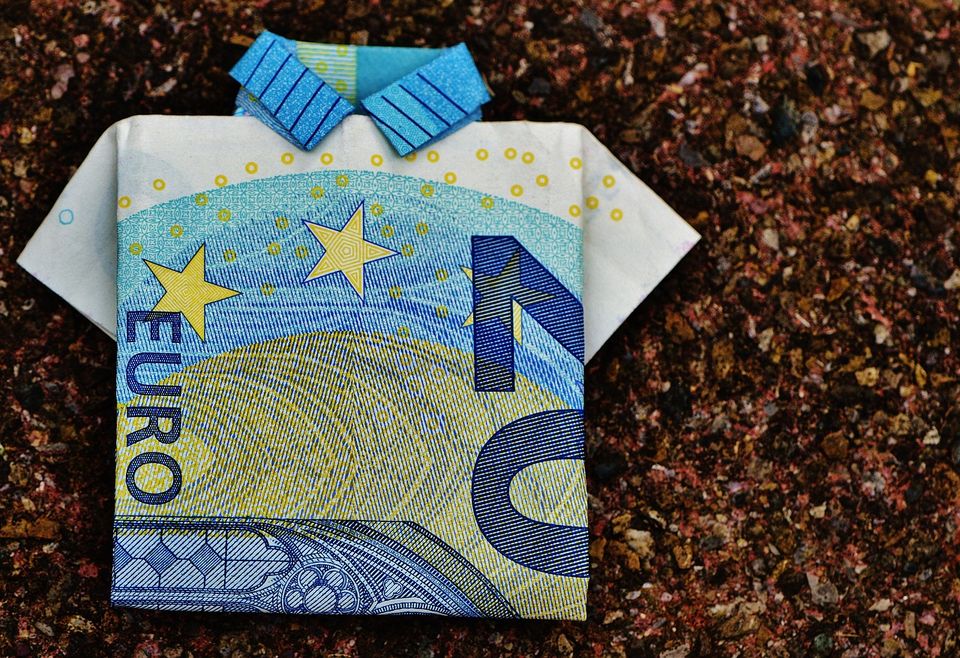
15 minutes of work, 30 minutes of waiting. Costs a few cents.
Try this first (costs nothing extra): lay the shirt flat, wet the stain with cool water and rub in a thick paste of baking soda and a little water. Leave it 30 minutes. Then wash as usual. This clears fresh sweat stains on most cotton shirts.
Why the stain goes yellow
Sweat is mostly water. The yellow comes from sweat mixing with the ingredients in deodorant and antiperspirant, then baking in the dryer or in the sun. Heat sets it. That is why a stain you ignored for a month is harder than one you treat today.
So the rule is simple: treat it before heat touches it.
Fix a fresh stain
Use this when the shirt is only a few days old, or has not been through the dryer.
- Rinse the underarm area with cool water from the back of the fabric. This pushes the stain out, not further in.
- Make a paste: 1 part baking soda to 1 part water, thick like toothpaste.
- Rub it on with an old toothbrush or your thumbs.
- Leave it for 30 minutes.
- Wash on the warmest setting the care label allows.
- Check the stain while the shirt is still wet. If it is gone, dry as normal.

Ruling: if the stain is gone when wet, you are done. If you see any yellow, do not dry the shirt. Go to the next section.
Fix an old yellow stain
Old stains need a longer soak and sometimes a different product.
- Soak the shirt for a few hours or overnight in warm water with a scoop of oxygen-based laundry booster. Follow the dose on the pack.
- Wring it out and rub the stain with the baking soda paste.
- Wash again.
An enzyme stain remover spray is the cheap next step. Enzymes break down body oils and proteins. Spray, leave it for the time on the label, then wash.
Use one product at a time. Do not add bleach to a soak that already has booster or vinegar in it. Poison centres warn that some cleaning products give off harmful gases when mixed. Read the label of each product and rinse the shirt well between attempts.
Ruling: two rounds is the limit. If the stain is still there after two, the fabric has likely taken the stain for good.
What not to do
- Do not use hot water first. Heat cooks the stain into the fibre.
- Do not put the shirt in the dryer to "see if it worked". Air dry, then check.
- Do not use chlorine bleach on yellow sweat stains. On sweat it often turns the patch more yellow, and it can weaken the fabric. Check the care label before any bleach.
- Do not scrub hard on thin cotton. It frays and the shirt looks worn, which is worse than a stain.
Which product for which stain
Pick by how old the stain is and what the shirt is made of.
- Baking soda paste: best first step. Cheap, mild, safe on most cotton.
- Enzyme stain remover: good for old, greasy yellow stains. Enzymes are natural proteins that break down body oils. Check the label for fabric types.
- Oxygen-based booster: a long soak lifts a whole shirt of mild yellowing. It is not the same as chlorine bleach, and it is gentler on colour, but test a hidden spot first.
- Dish soap: a drop worked into the stain breaks down oil. Rinse it out fully.
Ruling: start with the paste, move to enzymes, and stop after two rounds.
A worked example
Say a white work shirt has a light yellow patch under each arm. It has been worn three times since the last wash. Here is a sensible plan.
- Rub the paste in the same evening and leave it overnight.
- Wash in the warmest water the label allows.
- Check wet. If it is still a little yellow, spray with enzyme remover, wait the time on the label, and wash again.
- If it is clear, air dry. If it is not, it is probably a permanent mark. Wear it under a jacket or demote it to weekend use.
The point of the example is the order: free first, cheap second, stop when it stops improving.
Stop it coming back
- Let deodorant dry for a minute before you put the shirt on.
- Use less. Thick layers of product transfer to the fabric.
- Wash after one or two wears, not a week of wears.
- Turn the shirt inside out in the machine so the underarm gets more water flow.
- Wear a thin undershirt on hot days. It takes the sweat so the shirt does not.
If you sweat heavily and this is a daily issue, a pharmacist can talk through options. It is common and nothing to be shy about.

Fix it, replace it or live with it
- Fix it: fresh stains, light yellow, anything not yet dried with heat.
- Replace it: the fabric is stiff, thin or stained through on both sides after two tries.
- Live with it: a faint shadow under a jacket or a sweater. Nobody sees it.
For smell in the same shirt, a wash with the label's hottest setting does more than more scrubbing. If your washing machine itself smells, start with the washing machine smell fix. Shoes can have the same damp problem, see how to get rid of smelly shoes.
Quick questions
Does vinegar remove sweat stains?
It can help on light marks as a pre-soak, but baking soda paste or an enzyme spray is generally more reliable. Use one product at a time and rinse well.
Can I use lemon juice and sun?
Some people do, but sun and acid can also fade or weaken fabric. Test on a hidden seam first.
Why do sweat stains come back after washing?
Leftover product in the fibres attracts new sweat. Rinse well and avoid fabric softener on the underarm, which can coat fibres.
Do coloured shirts need a different method?
Yes. Skip any bleach. Use the paste or an enzyme spray, and test a hidden spot first.
More to read
Keep reading
Shoe problems: fix it, replace it or live with it
A triage table for common shoe problems, from smell and scuffs to worn soles and heel rubbing, with a fix, replace or live with it verdict for each.
Chloé Petit2 min read
New shoes rubbing your heel: stop blisters before they start
New shoes rubbing your heel? A step-by-step fix with a free test, a heel lock lacing trick, simple padding and a clear rule for when to take them back.
Chloé Petit4 min read
Wash trainers by hand or in the machine: which is better
Should you wash trainers by hand or in the washing machine? Hand washing is safer for most pairs. Here is when the machine is fine and how to dry them.
Chloé Petit4 min read
Shrunk jumper: how to stretch it back
A shrunk wool jumper can often be stretched back a size with a soak in lukewarm water and conditioner. Here is how, and when to let it go.
Chloé Petit2 min read
How to fix a stuck zip without breaking it
Fix a stuck zip on a jacket, bag or jeans by freeing the fabric and rubbing the teeth with graphite or wax. Steps, limits and when to replace it.
Chloé Petit3 min read
How to get rid of smelly shoes
How to get rid of smelly shoes with low-cost steps: dry the insoles, wash what you can, use baking soda overnight and rotate pairs so it stays gone.
Chloé Petit2 min read