
How to remove water rings from a wooden table
How to remove water rings from wood: wipe, dry gently with a cloth and low heat, then rub with a bit of mayonnaise or wax. Test a hidden spot first.
Chloé Petit2 min read
15 minutes. Costs nothing to a few dollars.
Try this first (costs nothing): wipe the ring with a dry cloth. A white ring is usually moisture trapped in the finish, not in the wood. Lay a thin cotton cloth over it and warm it with a hairdryer on low for short bursts. Keep the dryer moving.
If the ring is still there
- Test any product on a hidden spot first.
- Rub the ring gently with a soft cloth and a small dab of furniture wax or polish, along the grain.
- Buff with a dry cloth.
Some people use a little mayonnaise or toothpaste. Results vary and they can mark some finishes. Test first, use a tiny amount and use one product at a time.
Dark rings
A dark ring means water has reached the wood. Sanding and refinishing may be needed. For valuable furniture, ask a restorer.
If that does not work
If the finish is cloudy or lifting, it is damaged beyond a quick fix. Wax can cover it for a while. For prevention, use coasters and wipe spills at once.
Skip it if
Skip heat on veneer, which can lift. Warm gently or skip heat altogether. For other stain rescue, see how to get red wine out of carpet.
Worked example
A glass has left a white ring on a dining table. Lay a thin cotton cloth over it and hold a hairdryer on low about 15 cm above, moving it, for 30 seconds. Check. Repeat in short bursts up to a few times. If the ring fades, finish with a little wax and a buff. If it does not fade at all, the damage is probably in the finish and needs refinishing.
Common mistakes
- Rubbing hard with a rough pad. It leaves scratches.
- Holding heat in one place. It can blister the finish.
- Using too much liquid. More water makes more rings.
- Rubbing across the grain. Follow the lines of the wood.
For the polishing cloth, see microfibre cloth vs sponge.
More to read
Keep reading

Steam mop vs regular mop: which is worth buying
Steam mop vs regular mop: steam suits sealed hard floors and avoids chemicals, a regular mop is cheaper and safer for wood. A table and a floor-type rule.
Malik Zerrouki4 min read
Vinegar vs citric acid for limescale: which to use
Vinegar vs citric acid for limescale: both dissolve it. Vinegar is already in your cupboard, citric acid has no smell and rinses cleaner. Pick by job.
Malik Zerrouki4 min read
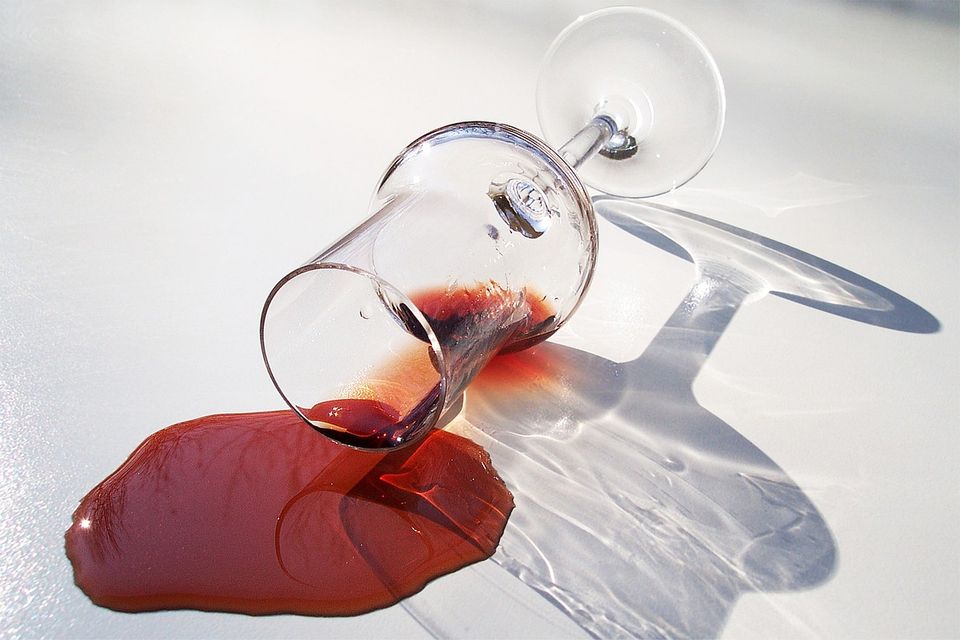
How to get red wine out of carpet: what to do right now
Red wine spilled on carpet? Blot, never rub, dab with cold water and then use a mild soap solution. Steps for fresh and dried stains, plus what not to do.
Malik Zerrouki3 min read
The cleaning shelf you can halve
A column on why most homes can clean well with a few products used one at a time, and how to cut the cupboard of sprays down without losing anything.
Chloé Petit4 min read
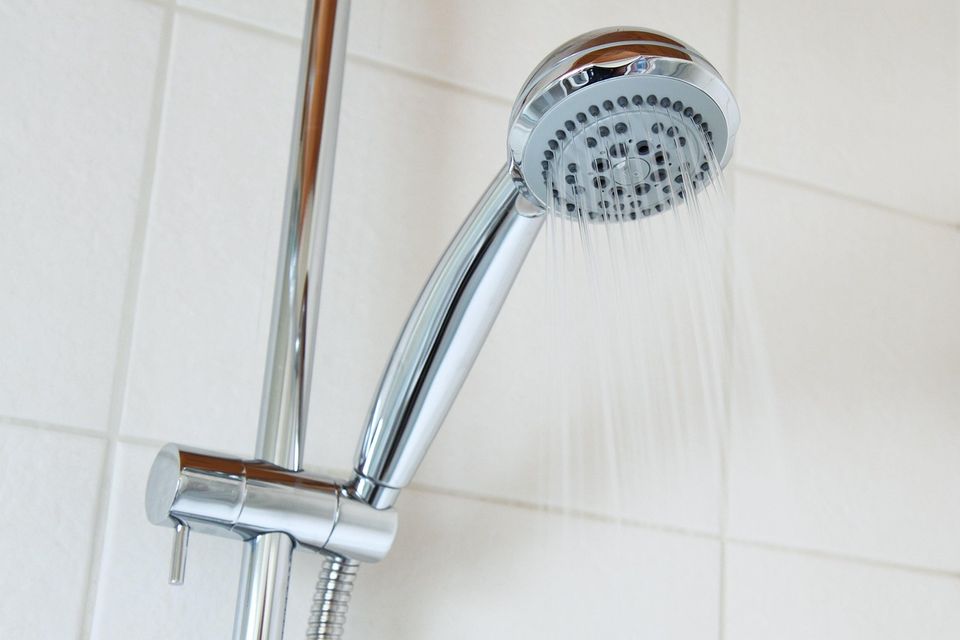
How to remove limescale from a shower head
Remove limescale from a shower head by soaking it in a bag of white vinegar for an hour, then brushing the nozzles clear. Steps, limits and safety tips.
Malik Zerrouki3 min read
Washing machine smell: how to fix it and keep it away
Fix a washing machine smell by cleaning the door seal and detergent drawer, running a hot empty wash and leaving the door open. Steps from free to replace.
Malik Zerrouki6 min read