
Foam vs gel insoles: which to buy for sore feet
Foam vs gel insoles: foam suits all-day wear and gel suits hard heels and short stretches. A simple table and a rule for choosing the right insoles.
Malik Zerrouki5 min read
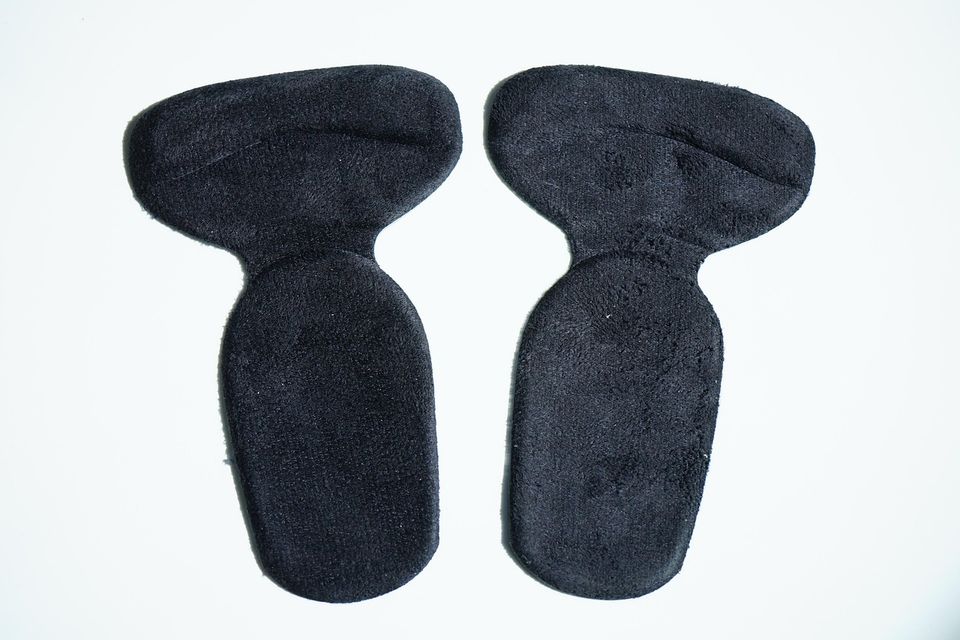
Verdict: foam is the better default for most people. It is light, breathes a little and keeps its shape through a day of standing. Gel is the better pick for a sore heel or a short walk. Neither fixes a bad fit or a foot problem that lasts.
Which wins on
| What matters | Foam | Gel |
|---|---|---|
| Feels soft | Soft, slowly springs back | Softer and squashier |
| Long days on foot | Better | Tends to feel tiring |
| Heat | Cooler | Warmer in closed shoes |
| Heel pain relief | Mild | Better for sore heels |
| Shape over time | Can flatten in months | Can flatten and slip |
| Weight | Light | Heavier |
Typically both wear out in a few months of daily use. Check the maker's guidance.
Pick foam if
- You stand or walk most of the day.
- Your shoes already feel tight, because foam is thin.
- You want a cooler, lighter liner.
- You have sore feet after work and want a soft cushion. See sore feet after a day standing.
Pick gel if
- Your heel hurts on hard floors.
- You walk short distances in dress shoes.
- You want extra padding under the ball of the foot.
- You do not mind a firmer, heavier feel.
Rule: fit matters more than the material. An insole that squeezes your toes or lifts your heel out of the shoe causes new problems.
Caution
If you get sharp pain, numbness, swelling, or pain that lasts more than a few weeks, see a doctor or podiatrist. Insoles cushion. They do not treat medical conditions.
Fix it, replace it or live with it
Fix it with the right insole if the shoe is a good fit. Replace the shoe if it is worn out inside. Live with it if the pain is mild and short. For the bigger decision, see shoe problems: fix it, replace it or live with it.
Where the answer flips
Foam can be thin in boots, but tall boots with extra room can take a gel insole. Gel can feel heavy in running shoes, where foam keeps the shoe light. For dress shoes with little room, a thin gel heel cup may fit better than a full foam insole. If you have a high arch or flat feet, arch shape matters more than the soft layer.
Worked example
Say a person stands eight hours at work and gets a sore heel by 3pm. Round numbers: they try a foam insole for two weeks and find the sore heel starts at 4pm instead. They add a gel heel pad on top and the soreness eases. This is a personal result, not a rule. The point is to change one thing at a time so you know what helps.
Common mistakes
- Stacking insoles. The shoe gets too tight.
- Buying by price. Fit is the test.
- Keeping them for years. They flatten.
- Ignoring shoe fit. An insole cannot fix shoes that are too small.
How to check the fit
Take out the old insole and lay it on the new one. Trace and cut if needed. Put your foot in and stand. Your heel should not lift, and your toes should not touch the end.
What to look for in a pair
Look at the thickness, the arch shape and the heel. A flat, thin insole suits tight shoes. A thick one with a heel cup suits roomy shoes. Soft is not always better. A very squishy gel can feel nice for a minute and tiring after an hour. Hard plastic arch supports can feel odd at first, so wear them an hour or two a day and build up.
When to see a professional
If you have diabetes, numbness, a foot injury or pain that wakes you at night, see a doctor or podiatrist before using insoles. They can check the foot and suggest the right support. Shop insoles are for comfort, not treatment.
How long a pair lasts
In general a pair lasts a few months of daily wear. Signs of wear are flattened foam, a lifted edge, a smell that washing does not remove, or a shoe that feels roomier than before. Wash foam by hand with mild soap and air dry. Do not use heat.
Caring for the shoes too
Rotate shoes so each pair gets a day to dry. A damp insole is a smelly one. For damp shoes see how to dry wet shoes fast.
Quick questions
Do I need to take the old insole out?
Usually yes. Two layers make the shoe tight. Trace the old one to cut the new one to size.
How often should I replace insoles?
In general every few months for daily wear, or when they flatten or smell.
Can insoles help new shoes that rub?
They can fill space at the heel, but see new shoes rubbing your heel first.
Which is better for flat feet?
Neither alone. Arch support is the key, and a podiatrist can advise.
More to read
Keep reading
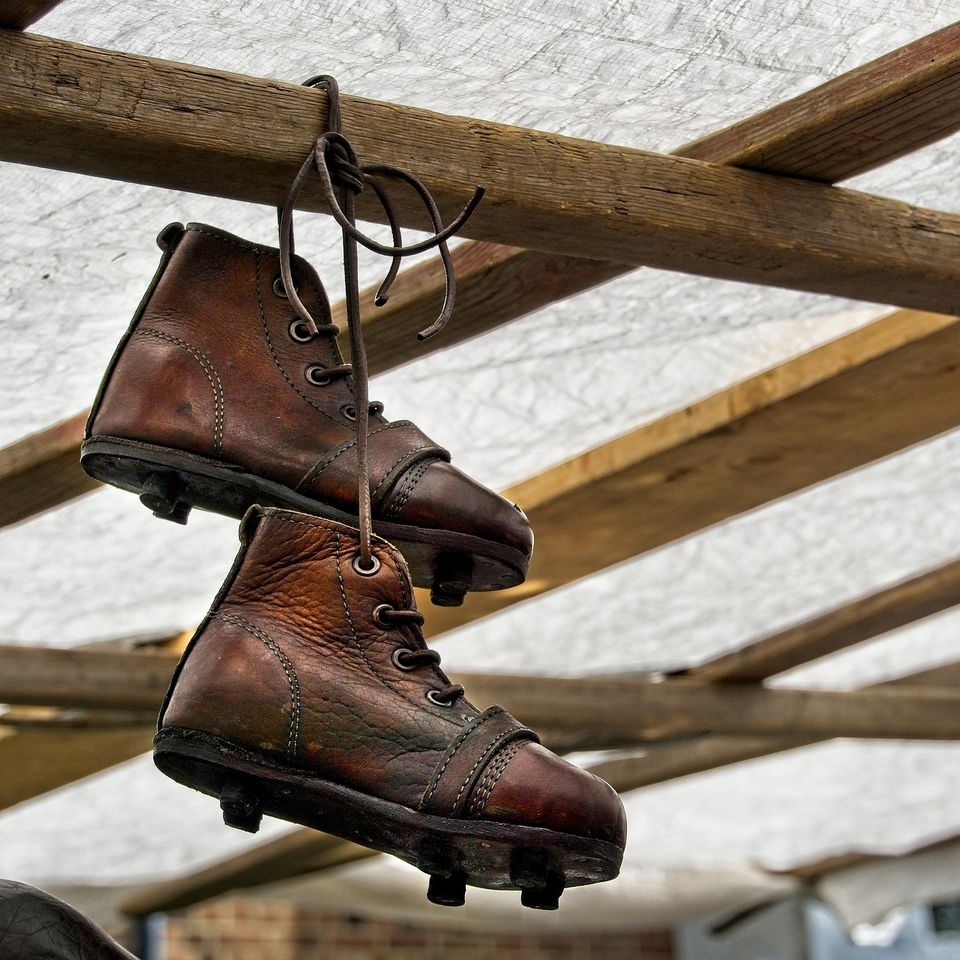
Shoe problems: fix it, replace it or live with it
A triage table for common shoe problems, from smell and scuffs to worn soles and heel rubbing, with a fix, replace or live with it verdict for each.
Chloé Petit2 min read
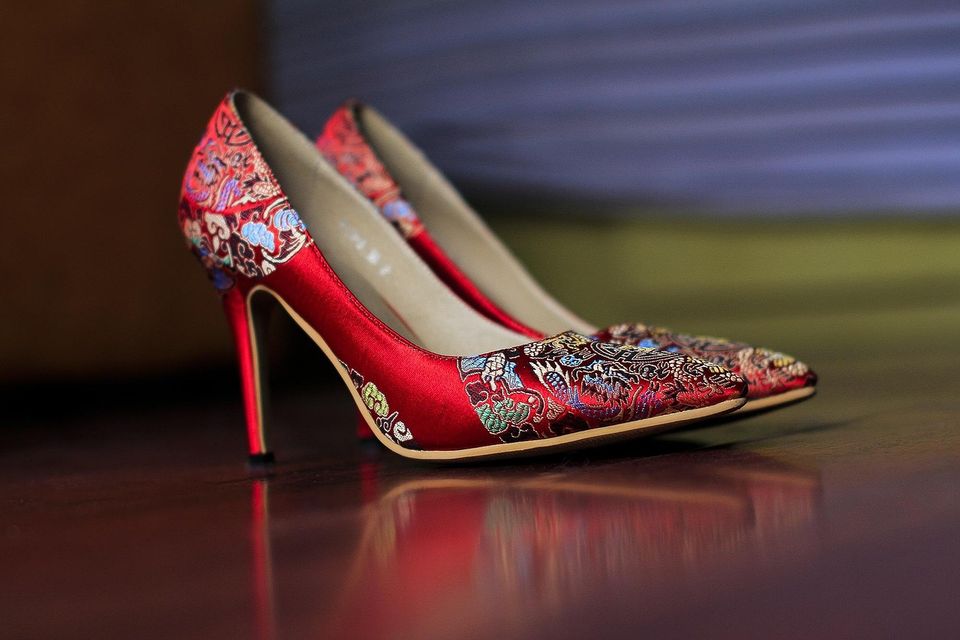
New shoes rubbing your heel: stop blisters before they start
New shoes rubbing your heel? A step-by-step fix with a free test, a heel lock lacing trick, simple padding and a clear rule for when to take them back.
Chloé Petit4 min read
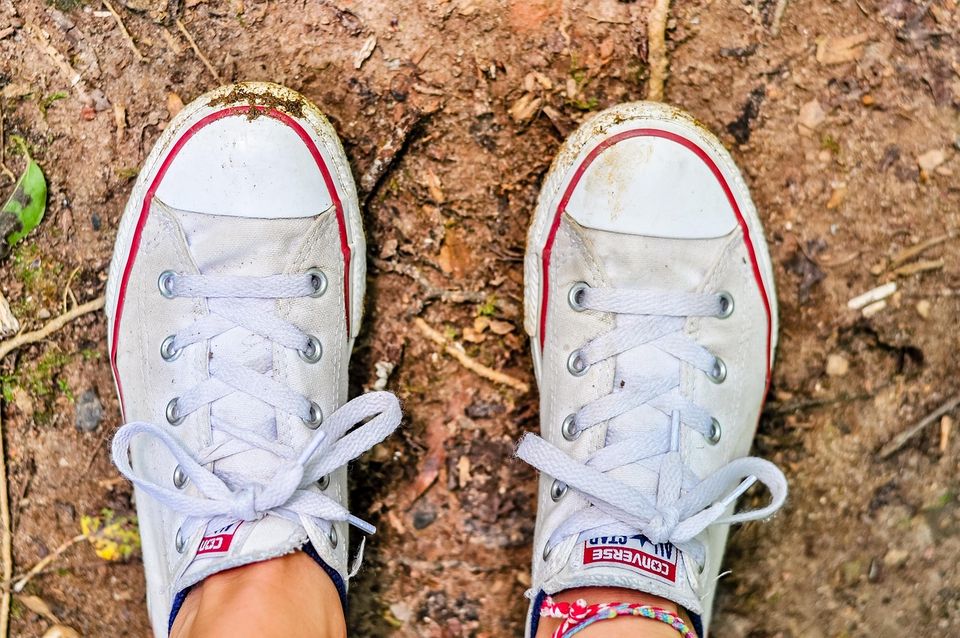
Wash trainers by hand or in the machine: which is better
Should you wash trainers by hand or in the washing machine? Hand washing is safer for most pairs. Here is when the machine is fine and how to dry them.
Chloé Petit4 min read
Shrunk jumper: how to stretch it back
A shrunk wool jumper can often be stretched back a size with a soak in lukewarm water and conditioner. Here is how, and when to let it go.
Chloé Petit2 min read
How to fix a stuck zip without breaking it
Fix a stuck zip on a jacket, bag or jeans by freeing the fabric and rubbing the teeth with graphite or wax. Steps, limits and when to replace it.
Chloé Petit3 min read

How to get sweat stains out of white shirts
Get sweat stains out of white shirts with a paste, a soak and a proper rinse. Free fixes first, then what helps with yellow underarm stains.
Chloé Petit6 min read