
How to dry wet shoes fast without ruining them
How to dry wet shoes fast: pull the insoles, stuff with paper, add airflow and keep them off direct heat. A fix ladder for trainers, leather and boots.
Chloé Petit6 min read
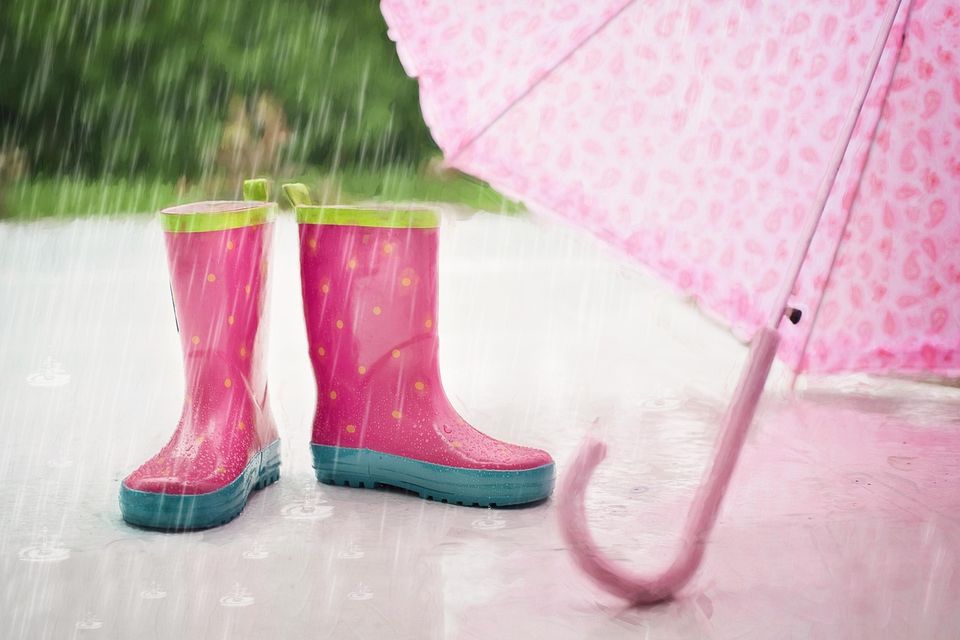
8 to 12 hours. Costs nothing.
Try this first (costs nothing): pull out the insoles and laces, open the tongue wide, and push scrunched dry paper towels into the toe. Paper pulls water out from the inside. Swap it for fresh paper after an hour, because wet paper stops working.
That one step does most of the job. The rest of this page covers what to add, and what to avoid, when you need to dry wet shoes fast.
Step 1: Strip the shoe
Wet shoes dry from the outside in unless you open them up.
- Take out the insoles. They hold the most water and take the longest to dry.
- Pull the laces out and loosen the tongue.
- Pat the outside with a towel. Do not rub leather.
- Tip out any pooled water.
Stand the insoles upright, leaning on something, so air reaches both sides.
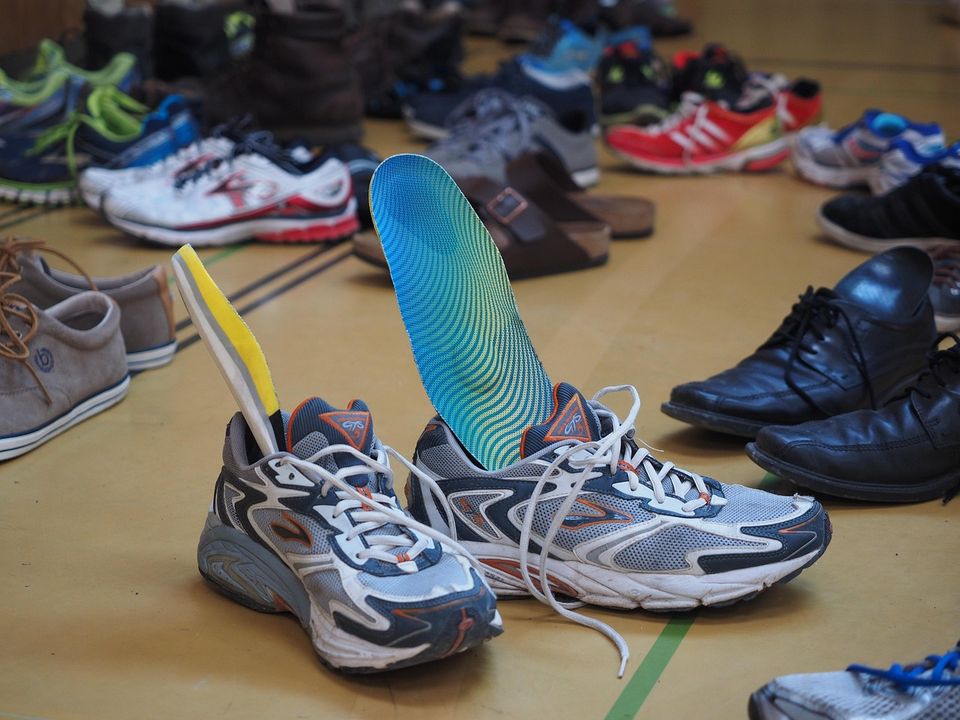
Ruling: if you only have ten minutes, do this step and nothing else. It still helps a lot.
Step 2: Stuff and rotate
Use plain paper towels or newspaper. Pack them firm but do not wedge them in so tight that the shoe stretches. Coloured newsprint can rub off on pale linings, so use white paper in light shoes.
Change the paper every hour for the first three hours. After that, once or twice more is enough. When the paper comes out dry, stop.
Ruling: dry paper, changed often, beats any gadget on cost.
Step 3: Add airflow, not heat
Air moving across the shoe is what dries it. Put the pair near an open window, in a draughty hallway, or in front of a fan on low. Angle them toes down so water drains out. A boot dryer is the one tool that helps here, because it blows gentle warm air inside the shoe.
Keep shoes away from radiators, hair dryers and direct sun. Strong heat can shrink leather, crack glue and warp the sole. Most makers say to dry shoes at room temperature.
Ruling: fan yes, radiator no.
If that does not work
- Still damp after a day. The foam inside holds water. Keep changing the paper and leave the pair in moving air for another night.
- Smells musty. Damp shoes start to smell fast. See how to get rid of smelly shoes once they are dry.
- Salt rings on leather. Wipe with a cloth dampened with plain water, then let them dry slowly.
Check the care label first. Some trainers can go through a gentle wash, which is covered in wash trainers by hand or in the machine.
Worked example
Say you walk home in heavy rain at 6pm and want dry trainers by 8am. These are round numbers, not a test result.
- 6:15pm: remove insoles and laces, pat dry, stuff with paper.
- 7:15pm and 8:15pm: change the paper.
- 9pm: stand the shoes toes down near a fan on low.
- Bedtime: change the paper once more. Leave the insoles upright.
- Morning: the shoes are usually dry or just cool to the touch.
If a shoe still feels cold and damp inside, give it a few more hours. Cold means water is still in there.
Common mistakes
- Using the tumble dryer. The tumbling and heat can bend the sole and loosen glue.
- Leaving paper in all day. Wet paper holds water against the shoe.
- Putting damp shoes back on to dry out. Feet get cold and rubbing starts.
- Drying wet suede with heat. It goes stiff. Brush it gently once dry.
Fix it, replace it or live with it
- Fix it: any shoe that dries in a day with paper and airflow.
- Replace it: a pair that keeps getting soaked and falls apart at the sole. See shoe problems: fix it, replace it or live with it.
- Live with it: a faint damp smell that fades after a full dry.
Which shoe, which method
- Canvas trainers: paper and a fan work well. They can dry in a night.
- Leather shoes: slower and gentler. Use paper, shoe trees if you own them, and room air.
- Suede: blot with a cloth, stuff loosely and dry slowly. Brush once dry.
- Boots: boots take longer because they are taller. A boot dryer helps.
- Waterproof or lined shoes: the lining holds water. Open them as wide as you can.
Where the answer flips
If you must wear the shoes in an hour, swap to a dry pair, or wear thick dry socks and accept a damp shoe for the morning. Wet shoes dry faster if the insole is out and the sock is dry. If shoes are soaked with dirty water, wash them first. See wash trainers by hand or in the machine.
What gear is worth it
You need paper and a fan. That is it. A boot dryer is the one buy that makes sense if you walk in wet weather every day. It dries shoes overnight with gentle air, and many models fit boots. Shoe trees help leather hold its shape while it dries, but they are a nice extra. Skip the rice, the hairdryer and the oven.
Prevent the next soak
Water-repellent spray on a clean pair helps, but follow the label and use it outdoors. Wear a spare pair of dry socks in your bag. Keep two pairs of daily shoes and swap them, so each has a full day to dry. That alone cuts damp, smell and wear.
A night plan for boots
- Remove insoles and laces.
- Stuff with paper, tall boots too.
- Stand boots upside down over a boot tree or a rack, if you have one.
- Place near moving air.
- Check the paper before bed and change it.
Quick questions
Can I put wet shoes in the tumble dryer?
Usually not. Heat and tumbling can warp the sole and weaken the glue. Check the care label, and when unsure, air dry.
Does rice dry out shoes?
Not well. Rice soaks up little water compared with paper towels and takes longer. Use paper.
How long should wet leather shoes take to dry?
Typically a day, slowly and away from heat. Fast drying can make leather stiff or cracked.
Can I wear damp shoes?
It is better not to. Damp shoes rub more and can start blisters.
More to read
Keep reading
Shoe problems: fix it, replace it or live with it
A triage table for common shoe problems, from smell and scuffs to worn soles and heel rubbing, with a fix, replace or live with it verdict for each.
Chloé Petit2 min read
New shoes rubbing your heel: stop blisters before they start
New shoes rubbing your heel? A step-by-step fix with a free test, a heel lock lacing trick, simple padding and a clear rule for when to take them back.
Chloé Petit4 min read
Wash trainers by hand or in the machine: which is better
Should you wash trainers by hand or in the washing machine? Hand washing is safer for most pairs. Here is when the machine is fine and how to dry them.
Chloé Petit4 min read
Shrunk jumper: how to stretch it back
A shrunk wool jumper can often be stretched back a size with a soak in lukewarm water and conditioner. Here is how, and when to let it go.
Chloé Petit2 min read
How to fix a stuck zip without breaking it
Fix a stuck zip on a jacket, bag or jeans by freeing the fabric and rubbing the teeth with graphite or wax. Steps, limits and when to replace it.
Chloé Petit3 min read
How to get sweat stains out of white shirts
Get sweat stains out of white shirts with a paste, a soak and a proper rinse. Free fixes first, then what helps with yellow underarm stains.
Chloé Petit6 min read