
Dry skin on legs in winter: what helps and what does not
Dry skin on legs in winter: shorter lukewarm showers, moisturise within minutes of drying, pick a thick cream and know when to ask a doctor about itching.
Chloé Petit5 min read

1 to 2 weeks to feel a change. Costs a few dollars.
Try this first (costs nothing): turn the shower down to lukewarm and cut it to five or ten minutes. Hot, long showers strip the oils that hold water in your skin. Pat dry, do not rub.
Winter air and indoor heating dry skin on your shins most. This page covers dry skin on legs step by step. For the lotion choice, see body lotion vs body oil.
Step 1: Change the shower
- Lukewarm, not hot.
- Five to ten minutes.
- Mild, fragrance-free wash, only where needed.
- Pat dry with a soft towel.
Ruling: a lower heat and shorter time costs nothing and does a lot.
Step 2: Moisturise on damp skin
Within a few minutes of drying, put on a thick cream. Creams in a tub and ointments are thicker than pump lotions, so they usually hold moisture longer. Smooth on in the direction hair grows, to avoid clogging follicles.

Ruling: thicker is better for winter. Use lotion in summer.
Step 3: Watch the air and clothes
Dry heating makes skin worse. A bowl of water or a humidifier helps a little. Wear soft cotton against the skin, since scratchy wool and tight tights can itch.

Ruling: skip rough fabric on bare legs.
Step 4: Do not scratch
Scratching makes skin redder and drier. Press or pat instead. Keep nails short. A cool, damp cloth can ease itching for a few minutes.
Worked example
Imagine a person with flaky shins every January. Round numbers: a 15 minute hot shower, no cream. They switch to a 7 minute lukewarm shower and a thick cream each night. After about a week the flaking is usually less. If nothing changes after two weeks, the next step is a pharmacist, not another cream.
If that does not work
Ask a pharmacist or doctor if the skin is cracked, bleeding, weeping, red and painful, or itches so much it disturbs sleep. Dry skin can mean eczema or another condition that needs a treatment plan. This is general advice, not medical advice.
Common mistakes
- Using only a thin lotion. It may run out in an hour.
- Hot showers. They feel nice, then dry skin more.
- Fragranced products. They can sting.
- Skipping the cream on shower days. That is the best time.
Fix it, replace it or live with it
Fix it with a cream and shorter showers. Replace a stinging product with a plain one. Live with a little flaking in the coldest weeks. Hands crack the same way, see dry cracked hands in winter.
Where the answer flips
Bathing is not the problem for everyone. Some people swim often, and chlorine dries skin. Rinse after, then moisturise. People who shave their legs may get more dryness from the razor. Wait a day after shaving to use a strong cream if it stings. Some medicines also dry the skin, so mention it to a pharmacist.
Cream, ointment or lotion
- Lotion: thin, absorbs fast, good for mild dryness and summer.
- Cream: thicker, good for most winter dryness.
- Ointment: thickest, often greasy, good for very dry patches at night.
If you are unsure, start with a cream that says fragrance-free. Some creams sting on cracked skin. Stop and ask a pharmacist if that happens.
A weekly plan
Daily: lukewarm shower, cream within minutes. Twice a week: check your shower length. Weekly: wash the towels, since rough, dirty towels irritate. Monthly: check whether the cream is helping. If not, change the cream or ask a pharmacist.
What to wear
Soft cotton or smooth fabrics next to bare legs are kinder than scratchy wool or tight synthetic tights. Wash new clothes before wearing to remove any finish. Use a gentle laundry product with no strong scent, and run an extra rinse. If your skin flares after a new detergent, switch back.
Bath or shower
A short bath can be fine, but long, hot baths dry skin. If you love a bath, keep it warm, not hot, and under 15 minutes. Apply cream right after you step out. Avoid bubble baths and scented oils if your skin is dry and itchy.
Sleep and heat
Sleeping in a very warm room dries skin and can make itching worse. A cooler bedroom and light cover help. Keep a tub of cream by the bed.
Know the signs
Dry skin is common and usually harmless. But red, scaly, weeping or painful patches, patches that get worse with creams, or sudden dryness with other symptoms are reasons to ask a doctor. Do not guess. Pharmacists can help with first advice, free in many places.
Quick questions
Is it better to moisturise in the morning or at night?
Any time works. After a shower is best. Night adds a long window to soak in.
Why are my shins the driest?
They have fewer oil glands than some other areas, in general.
Can I use hand cream on my legs?
Often yes, if you tolerate it. Hand cream is usually thick.
When is itching a worry?
When it is severe, spreads, or does not improve in two weeks, ask a professional.
More to read
Keep reading
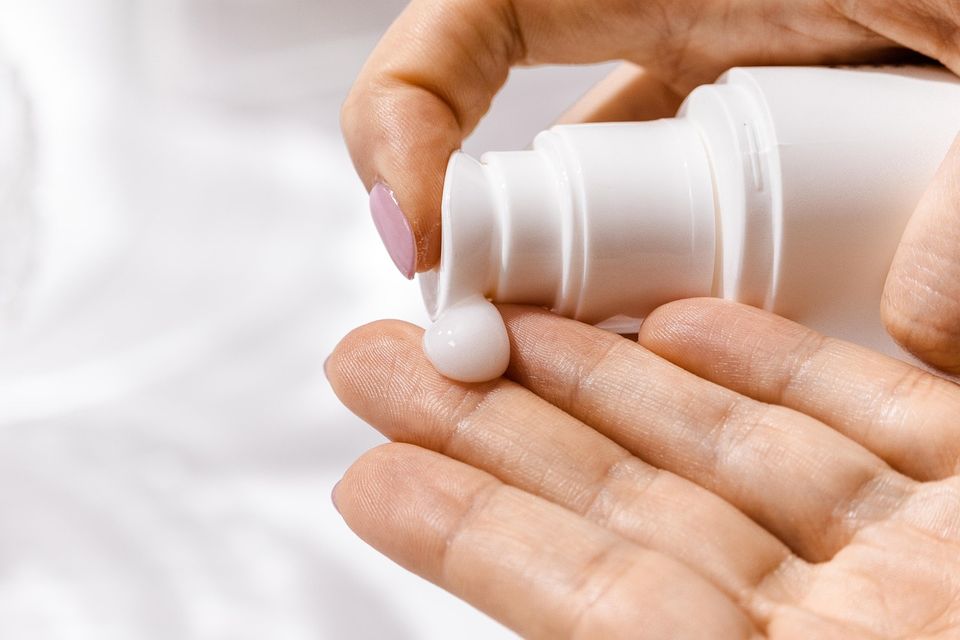
Body lotion vs body oil for dry skin: which to use
Body lotion vs body oil for dry skin: lotion adds water, oil seals it in. Use lotion for daily dryness and oil on damp skin or very dry patches.
Chloé Petit4 min read

The twelve-step skin routine you can drop
A column on the long skin routine and why most people can cut it down to three plain steps. A story about habits, shelves and a calmer bathroom.
Malik Zerrouki4 min read
Razor bumps after shaving: how to calm them
Razor bumps after shaving settle faster with a cool cloth, no more shaving for a few days and a gentler routine. See what to change and when to ask a doctor.
Chloé Petit3 min read
Cracked heels: how to fix them at home
Cracked heels often soften with a soak, a gentle file and a thick foot cream every night under socks. Steps, mistakes and when to see a podiatrist.
Chloé Petit2 min read
Dry cracked hands in winter: a fix for tonight
Dry cracked hands in winter usually need less washing, a thick cream after each wash and cotton gloves at night. Simple steps and when to see a doctor.
Chloé Petit2 min read

Sore feet after a day standing: what to do tonight
A short checklist for sore feet after standing all day, from a ten minute fix tonight to when shoes or insoles are the real problem.
Chloé Petit2 min read